
Confirm the complete credential
Ask for the award title exactly as it will appear on your transcript or certificate. Request a plain written explanation of what the qualification represents and what completion standards apply.
Prospective students
Use the university’s historical record as context, then request the current degree details you need for a considered enrollment decision.
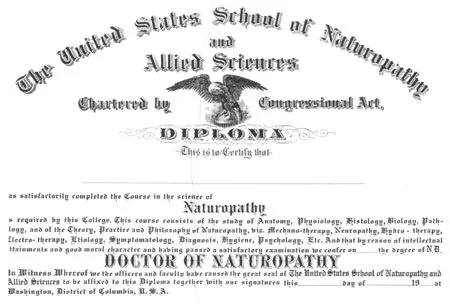
Start with the exact program
An alternative medicine degree can sound like a clear route, particularly when you are looking for a change of direction, flexible study, or a foundation in natural health. Yet the same phrase can cover very different credentials, subjects, levels of study, practical requirements, and possible next steps. Before you apply, get the details for the exact program rather than filling gaps with assumptions.
First National University of Naturopathy and Allied Sciences preserves a historical record connected to alternative medicine education. Its constituent-school records can help place a school name or older degree title in context. They are not a current prospectus, admissions agreement, timetable, or statement about the professional use of a qualification. Those are present-day questions that deserve direct written answers.
A clearer comparison
Ask for the award title exactly as it will appear on your transcript or certificate. Request a plain written explanation of what the qualification represents and what completion standards apply.
Ask which subjects are included, how progress is assessed, how much study is expected, and whether the program is academic, practical, clinical, or a combination of these.
Clarify what can be completed online, what requires scheduled attendance, and whether practical, laboratory, observation, clinical, or supervised work is part of the specific program.
Ask for a written total covering tuition, fees, materials, technology, examinations, travel, practical requirements, insurance, and payment timing. A headline figure rarely tells the whole story.
Professional titles, practice expectations, employer requirements, and further-study pathways can vary by location. Confirm the current rules that apply where you intend to live and work.
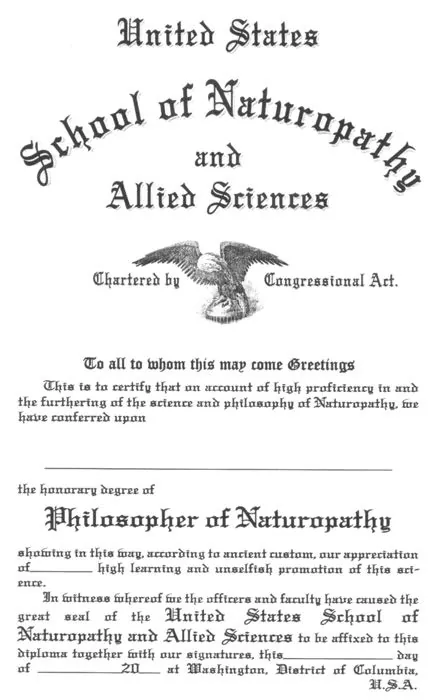
The university record
The First National University of Therapeutics record identifies historical degree names in alternative medicine and natural therapeutics. The wider university history and constituent-school records may help a prospective student, researcher, former student, or family member understand the setting in which an older credential was used.
Those records cannot confirm current availability, delivery arrangements, admissions requirements, full costs, or the professional use of a qualification today. Keep the historic record and your enrollment questions separate, so both can be evaluated clearly.
Explore constituent-school records →Ask for the facts in writing
Describe the degree or constituent school you are considering, explain where you expect to live or work, and ask for the current documents that apply to your situation. Written answers make it easier to compare programs fairly and return to the facts before you make a significant commitment.
Ask whether the exact program is accepting students, when the next intake is expected, and what education, documents, interviews, language, or experience are required.
Request the current course outline, expected workload, assessment methods, attendance expectations, and the documents issued when the program is complete.
Ask whether practical learning is included, where it takes place, who provides supervision, and what you must arrange or pay for yourself.
Request the balance of independent study, live sessions, online discussion, attendance, travel, and any equipment or technology you will need.
Ask about books, materials, technology, travel, practical requirements, insurance, examinations, and payment timing before comparing options.
Ask who can answer follow-up questions as you review the information. A named contact makes it easier to resolve uncertainty before you commit.
Professional plans
A university can describe its course and credential. A regulator, professional body, employer, insurer, or further-education provider may apply its own standards when deciding what education is needed, what title may be used, or what additional steps are required.
Before enrolling, ask the university what the current program is intended to provide. Then consult the relevant authority in the place where you expect to live and work, particularly when your plans involve a professional title, hands-on work, insurance, or a move between jurisdictions.
The university’s recognition guide and admissions guide outline the practical questions worth resolving. Keep the written answers together so you can compare program facts with the requirements that apply to your plans.
Frequently asked questions
The public site preserves historical constituent-school information and does not publish a current universal course list. Contact the university directly for the exact credential, availability, curriculum, study format, admissions requirements, fees, dates, and practical-study arrangements.
The phrase can describe programs with different subjects, award levels, study formats, and intended outcomes. Ask for the complete credential title, the current course outline, and a written explanation of what the specific qualification represents.
An historic record can help you understand an institution or degree title, but it is not a current prospectus, admissions agreement, course schedule, or confirmation of professional eligibility. Request current written information for the program you are considering.
Compare the current written course information with the requirements of the relevant regulator, professional body, employer, insurer, or further-education provider where you intend to live and work.
Request current information
Include the constituent school or degree, your intended location, and the information you need to make an informed decision.
Request Information