Reference page

Naturopathy Statistics and Facts

A sourced North American reference on reported use, training, accredited schools, workforce estimates, and regulation.

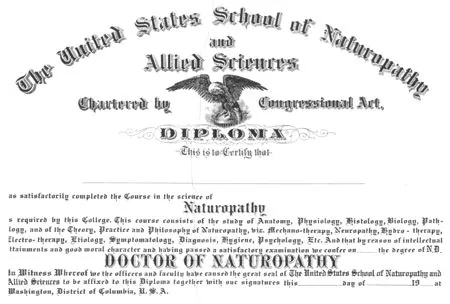
Historic Doctor of Naturopathy degree from the university archive

Updated October 26, 2026

Clear figures, with their context intact.

This page brings together publicly available figures that are frequently needed when researching naturopathy and naturopathic education. Each statistic links to the source that published it, with the date and scope stated beside the figure.

These sources measure different things: a national survey records reported use, accrediting and school organizations describe programs, and regulation depends on the jurisdiction. Read the original source before relying on a statistic for a decision, publication, or professional question.

Key figures

Eight facts to cite with care

Stable section links make it easier to reference a specific figure. Every figure below includes the date and source context that gives it meaning.

080

online ND programs accredited by the Council on Naturopathic Medical Education

The Council states that it accredits four-year, primarily campus-based doctoral programs and does not accredit online ND programs. This statement was reviewed October 26, 2026 and applies to the Council’s accreditation scope, not every naturopathy course or credential.

Source: Council on Naturopathic Medical Education, Accredited Programs

Link to this fact

How to read the figures

One label does not settle every question.

Reported use is not a measure of outcomes

Population surveys can show how many people say they used an approach. They do not establish the quality of a particular program, the appropriateness of care, or the effect of any individual treatment.

Training and authorization are separate checks

Program length, accreditation, examinations, professional titles, and scope of practice are governed by different bodies. A prospective student should verify the exact program and the rules where they intend to live and work.

Workforce estimates have a date

The workforce figure on this page is useful historical context, but it is explicitly a 2016 estimate. It should not be presented as a current count without a newer named source.

Method and sources

How this reference is maintained

Figures are selected from named public sources with direct relevance to use, education, accredited schools, or regulation. The page keeps each statistic tied to its source rather than combining unlike measures into one unsupported total.

Last reviewed: October 26, 2026. The next routine review is due in November 2026, or sooner if a listed source publishes a material update.

  1. National Center for Complementary and Integrative Health, Naturopathy

    Updated April 2025. Use estimates for 2002 and 2022, plus an estimated North American licensed workforce through 2016.

  2. National Center for Complementary and Integrative Health, 2022 National Health Interview Survey

    2022 data, with a 20-year comparison of selected complementary health approaches among U.S. adults.

  3. Council on Naturopathic Medical Education, Accredited Programs

    Reviewed October 26, 2026. Description and current list of accredited naturopathic doctoral programs.

  4. Association of Accredited Naturopathic Medical Colleges, Licensure

    Reviewed October 26, 2026. Current overview of U.S. and Canadian jurisdictions regulating naturopathic doctors.

  5. Association of Accredited Naturopathic Medical Colleges, Accredited Schools

    May 1, 2026 school map, reviewed October 26, 2026. Current North American school comparison page.

Cite this page

Reference the page, then link the original source for the figure you use.

Suggested citation: First National University of Naturopathy and Allied Sciences. “Naturopathy Statistics and Facts.” Updated October 26, 2026. https://fnun.edu/naturopathy-statistics

Explore more university resources →