Prospective students

Online Natural Medicine Degree: Before You Apply

Use the university’s historic record as context, then request the current degree details you need for a considered enrollment decision.

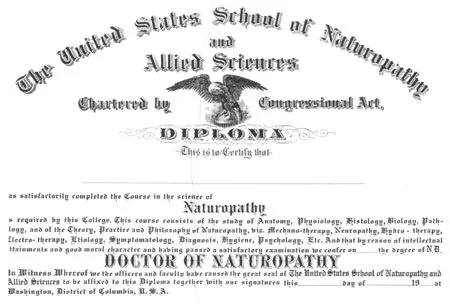
Historic Doctor of Naturopathy degree from the university archive

Start with the actual program

Online study is only one part of the decision.

An online natural medicine degree can sound straightforward, especially when flexibility matters to your work, family, location, or budget. Yet a course label does not tell you the exact credential, the current curriculum, how much of the work is truly remote, whether practical learning is required, or what the qualification may mean for your plans after study.

First National University of Naturopathy and Allied Sciences preserves a historical record connected to natural medicine education. Its constituent-school records can help place an older school name or degree title in context. They are not a current prospectus, admissions agreement, timetable, or statement about the professional use of a qualification. Those are present-day questions that deserve a direct written answer before you enroll.

A clearer comparison

Five details to settle before you commit

01

Confirm the complete credential

Ask for the degree title exactly as it will appear on your award and transcript. Request a plain written explanation of what the qualification represents, rather than relying on a familiar abbreviation or general description.

02

See the current curriculum

Ask which subjects are included, how progress is assessed, how much study is expected each week, and what academic standards apply to the exact program you are considering.

03

Define what happens online

Clarify what can be completed remotely, what requires scheduled attendance, and what technology or materials you will need. A flexible format can still include fixed times, deadlines, travel, or location-specific commitments.

04

Understand practical requirements

Ask whether the program includes practical, clinical, laboratory, observation, or supervised work. Request the location, oversight, timing, and any separate travel, insurance, equipment, or placement costs in writing.

05

Check your local pathway

Degree titles, practice expectations, and professional requirements can differ by place. Compare the course information with the independent requirements that apply where you intend to live and work.

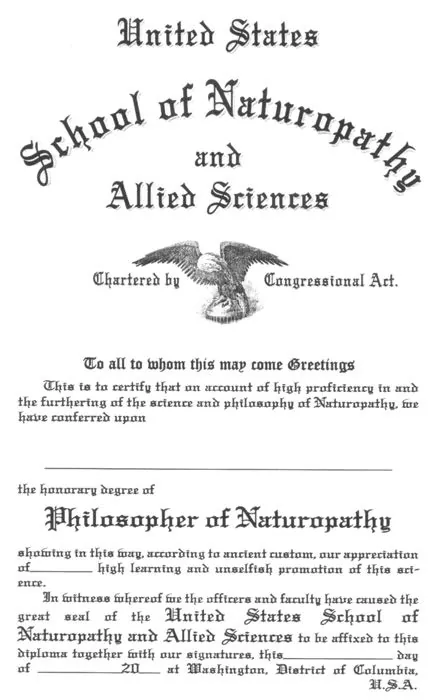
Historic Philosopher of Naturopathy degree from the university archive

The university record

Use historical records for context, not current promises.

The university archive names historic degrees and constituent institutions, including the United States School of Naturopathy & Allied Sciences and the United States Naturopathic Institute. This material can be useful when you are researching a school name, an older qualification, or a document connected to the university system.

It cannot answer whether a particular degree is currently available, what you would study now, how online and practical elements are organized, what the full cost will be, or how the qualification relates to your own plans. Keep the historical record and your current enrollment questions separate, so both can be evaluated clearly.

Explore the university history

Ask for the facts in writing

A useful answer should make comparison easier.

Describe the degree or constituent school you are considering, explain where you expect to live or work, and ask for the current documents that apply to your situation. Written answers make it easier to compare programs fairly and return to the facts when you are weighing a significant commitment.

Availability and admissions

Ask whether the exact program is accepting students, when the next intake is expected, and what education, documents, interviews, language, or experience are required before admission.

Online learning pattern

Request the balance of independent study, live sessions, online discussion, attendance, and travel. Ask how feedback, academic support, and changes to requirements are communicated.

Practical arrangements

Ask how any applied learning is organized, who is responsible for supervision, whether a placement is guaranteed, and what you must arrange or pay for yourself.

Assessment and completion

Request the assessment methods, attendance expectations, completion standards, and the documents you will receive when the program is complete.

Costs beyond tuition

Ask about books, materials, technology, travel, practical requirements, insurance, examinations, and payment timing. The headline tuition figure is rarely the whole decision.

A named contact

Ask who can answer follow-up questions as you review the information. Written answers from a named contact make it easier to resolve uncertainty before you commit.

Distance learning and practical work

Ask how the full student experience is arranged.

The university notes that distance-learning protocols may be used in appropriate programs to support student progress and help reduce costs. For any degree you are considering, that statement is a starting point, not a complete description of your study arrangement.

Request the current schedule alongside the course outline. A clear explanation should identify what is remote, what happens at a set time or location, who provides supervision, and what you need to budget for beyond regular study. Those details determine whether the course fits your commitments as well as your academic goals.

Do not assume that two programs using the word online work in the same way. Comparing the current written details side by side gives you a more reliable basis for deciding what can realistically work for you.

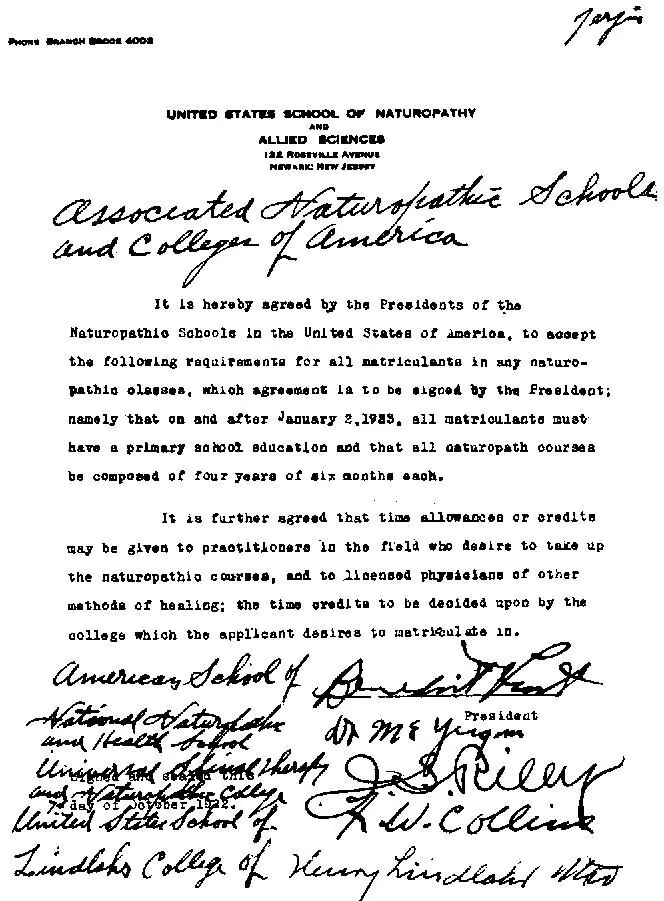
Historic university letter from the archive

Professional plans

Keep the degree, the title, and local requirements separate.

A university can describe its course and credential. A regulator, professional body, employer, insurer, or further-education provider may apply its own standards when deciding what education is needed, what title may be used, or what additional steps are required. These are connected questions, but they are not the same question.

Before enrolling, ask the university what the current program is intended to provide. Then consult the relevant authority in the place where you expect to live and work. This is especially important when your plans involve a professional title, hands-on work, work with the public, insurance, or a move between jurisdictions.

The university’s recognition guide and admissions guide outline the practical questions worth resolving. Keep the written answers together so you can compare the program facts with the requirements that apply to your own plans.

Frequently asked questions

Online natural medicine degree questions

Does the university list a current online natural medicine degree?

The public website preserves historic constituent-school records and does not publish a current universal course list. Contact the university directly for the exact credential, availability, delivery format, admissions requirements, fees, dates, and any practical-study arrangements.

Does online study mean every part of a degree is remote?

Not necessarily. Ask what can be completed online, what requires scheduled attendance, and whether practical, laboratory, observation, clinical, or supervised work is part of the specific course you are considering.

What credential should I ask about?

Ask for the complete title exactly as it will appear on the award and transcript. Request a written explanation of what the qualification represents, the subjects covered, and the completion standards for that particular program.

How should I compare the cost of an online degree?

Request a written total that includes tuition, fees, materials, technology, examinations, travel, practical requirements, insurance, and payment timing. A headline figure alone may not show the full commitment.

Can an online natural medicine degree support professional plans?

A university can explain its course and credential, but local authorities, professional bodies, employers, insurers, and further-education providers may apply their own standards. Confirm the current rules in the place where you intend to live and work.

Request current information

Get the details for the degree you are considering.

Include the constituent school or degree, your intended location, and the information you need to make an informed decision.

Request Information