
Name the exact course and credential
Request the course name, the exact award title, and an explanation of what the program covers. Do not rely on a broad label such as “osteopathy” to answer those questions for you.
Prospective students
Use the university’s historical record as context, then request the current course details needed for a considered enrollment decision.
Start with clarity
People searching for an osteopathy course may be looking for a historic record, an academic program, manual therapy training, or the pathway to osteopathic physician licensure. Those paths are not interchangeable. The course title alone cannot tell you what you will study, what credential you will receive, or what you may be able to do after completion.
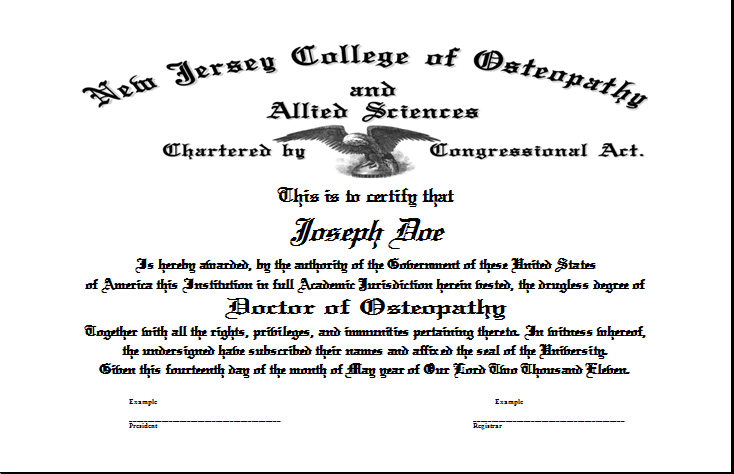
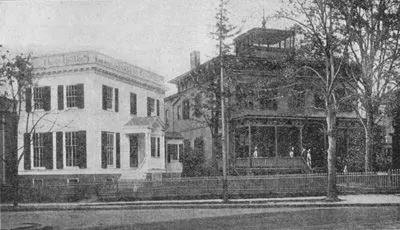
First National University of Naturopathy and Allied Sciences preserves a historical record that includes the New Jersey College of Osteopathy. That record is useful context for understanding the institution and the degree documents associated with it. It is not a substitute for a current course outline, admissions agreement, or the professional rules that apply where you intend to live and work.
Important distinction
The university’s New Jersey College of Osteopathy record identifies a historic Doctor of Osteopathy degree in drugless osteopathy. The university makes clear that this is not the Doctor of Osteopathic Medicine degree used for osteopathic physician licensure in the United States.
That distinction should be settled before you compare courses, costs, or study formats. Ask for the complete award title as it will appear on your transcript or certificate. Then ask what the qualification is intended to represent, who recognizes it, and whether it is relevant to the professional future you have in mind.
A direct written answer is more useful than an abbreviation. It gives you a stable record to compare with the requirements of a regulator, professional body, employer, insurer, or another school.
Review recognition questions →A sound comparison
Request the course name, the exact award title, and an explanation of what the program covers. Do not rely on a broad label such as “osteopathy” to answer those questions for you.
Find out which subjects are included, how progress is assessed, how much study is expected, and whether the course is academic, practical, clinical, or a combination of these.
Clarify the balance of distance learning, scheduled attendance, supervised work, travel, equipment, and any practical elements. Ask for the calendar and expected completion time for the specific course.
Request tuition, fees, materials, payment schedule, travel costs, and any separate practical-study expenses. A complete estimate makes it easier to compare options fairly.
Professional titles, practice rights, and licensure rules vary by jurisdiction. Confirm the facts with the relevant independent authority before making an enrollment commitment.
Questions for the university
When you contact the university about an osteopathy course, a specific request will lead to a more useful answer. State the constituent school or course you are considering, where you intend to study or work, and the outcome you need the qualification to support.
Ask whether the course is accepting students now, when the next intake is planned, and whether there are limits on student location or prior education.
Ask how instruction is delivered, what work must be completed, and how the university assesses completion of the current program.
If applied or clinical learning is included, ask where it takes place, who supervises it, and whether there are separate eligibility or travel requirements.
Request a current prospectus, course outline, admissions information, cost schedule, and any agreement that would apply before you make a commitment.
Ask what the qualification does and does not represent, then independently check whether it relates to your intended professional use or location.
Ask for the name and email address of the person who can answer follow-up questions as you review the written information.
Compare like with like
A clear comparison begins when each school answers the same set of questions in writing. Put the course title, credential, curriculum, delivery format, practical requirements, cost, timing, and recognition information side by side. This makes it easier to notice where one answer is specific and another is only a general description.
Separate the facts you have verified from the facts you still need. For example, an institution may have a long history and a recognizable course title, while the current delivery arrangements or practical requirements remain unclear. Asking a follow-up question is not a delay. It is part of making an informed decision about a substantial commitment of time and money.
Keep the written materials, emails, and notes together. Before you enroll, return to the questions that affect your intended future: what the award is called, what study is required, what the complete cost is, and what the qualification means where you intend to use it. The university’s naturopathic degree programs guide offers a related checklist for comparing degree information.
Course format
The university states that distance-learning protocols may be used in appropriate programs to support progress and help reduce costs. That is a starting point, not a complete description of an individual osteopathy course.
Ask what can be completed remotely and what, if anything, requires attendance, supervised practice, an approved setting, or particular equipment. A course may have practical expectations that matter just as much as its academic material. Clarifying them early protects your time, your budget, and the plans you are making around study.
Before you commit
A university can describe its course and credential. A regulator, professional body, employer, or insurer may apply a different standard when deciding what you can do, what title you may use, or what further education is required. Treat each as a separate question and get answers from the source responsible for that decision.
This is particularly important for anyone whose goal involves hands-on practice, a regulated title, clinical work, or moving between jurisdictions. Before enrolling, compare the current written course information with the requirements that apply in the place where you intend to use the qualification.
The university’s admissions guide and recognition guide set out the practical questions worth resolving. Keeping the answers together will make your final comparison clearer and help prevent assumptions from becoming costly surprises.
Frequently asked questions
The public site preserves historical constituent-school information. For current availability, delivery format, admissions requirements, tuition, and dates, contact the university directly and request details for the specific course in writing.
No. The university’s New Jersey College of Osteopathy record describes a historic Doctor of Osteopathy degree in drugless osteopathy. It is not the Doctor of Osteopathic Medicine degree that leads to physician licensure in the United States.
The university states that distance-learning protocols may be used in appropriate programs. Ask what can be completed remotely, what requires scheduled attendance, and whether practical study has separate arrangements.
Confirm the exact credential, course content, delivery format, practical requirements, total cost, expected duration, and the professional or legal implications in the place where you intend to live and work.
Request current information
Include the course or constituent school, your intended location, and the details you need to make an informed decision.
Request Information