Prospective students

Accredited Naturopathic Medicine Schools

Use current program information, not a label alone, to compare an accredited naturopathic medicine school before you apply.

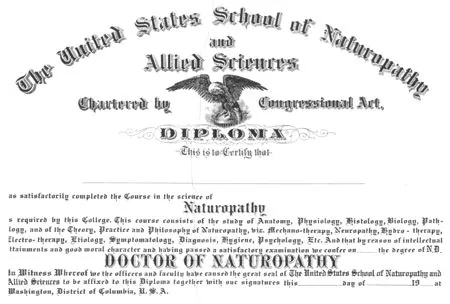
Historic Doctor of Naturopathy degree from the university archive

Start with the exact program

Accreditation is one important check, not the whole decision.

When you are comparing accredited naturopathic medicine schools, the first question is not simply whether a school name appears familiar. You need to know which specific program is listed, what credential it awards, where it is taught, how much attendance and clinical work it requires, and whether it suits the place where you expect to live and work after study. Those details shape the commitment far more than a broad description of natural medicine.

For naturopathic doctor programs in the United States and Canada, the Council on Naturopathic Medical Education’s current program list is a useful starting point. The Council states that its accredited N.D. programs are four-year and primarily campus-based. The listing can change, so read the current status for the exact program you are considering and ask the school for written details that apply to you.

A sharper comparison

Five checks to make before you apply

01

Verify the program’s current status

Find the exact degree program on the accreditor’s current list. Read the status notice rather than relying on an older article, a school logo, or a search result. If the listing uses terms such as accreditation, candidacy, probation, or teach-out, read the explanation and ask the school what it means for an applicant now.

02

Confirm the award and location

Ask for the complete degree title, the campus where you would enroll, and the location of required practical or clinical learning. A university can offer more than one program or campus, and an institution-wide description may not tell you the status or arrangements for the exact option you are weighing.

03

Map the real study commitment

Request the current schedule, expected weekly workload, attendance requirements, clinical hours, travel expectations, and technology needs. Some coursework may be online or hybrid, but that does not establish that the entire program is remote. A written schedule is the clearest way to see whether the program fits your work, family, and location.

04

Get the full cost in writing

Ask for tuition, fees, books, equipment, insurance, examinations, travel, clinical requirements, and payment timing. Pair the total with the expected program length. A headline tuition figure cannot show the full financial commitment, especially when practical training happens away from home.

05

Check your intended professional path

Accreditation, graduation, examination, licensing, employment, and insurance are related but separate questions. Ask the program what it is designed to prepare students for, then check the current rules with the independent authority that governs the place and role you have in mind.

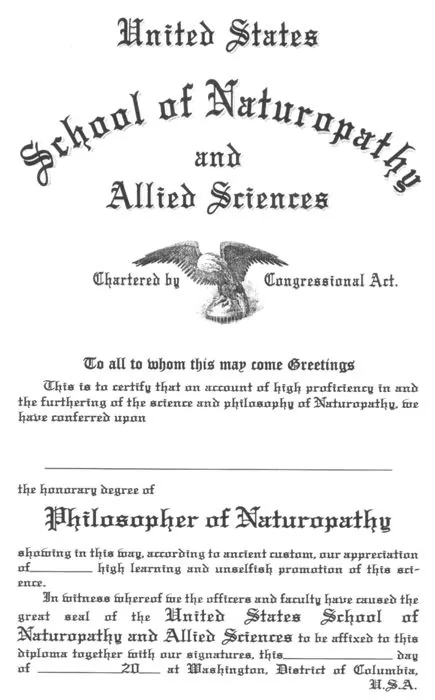
Historic Philosopher of Naturopathy degree from the university archive

The university record

Use historical records for context, not as proof of a current program.

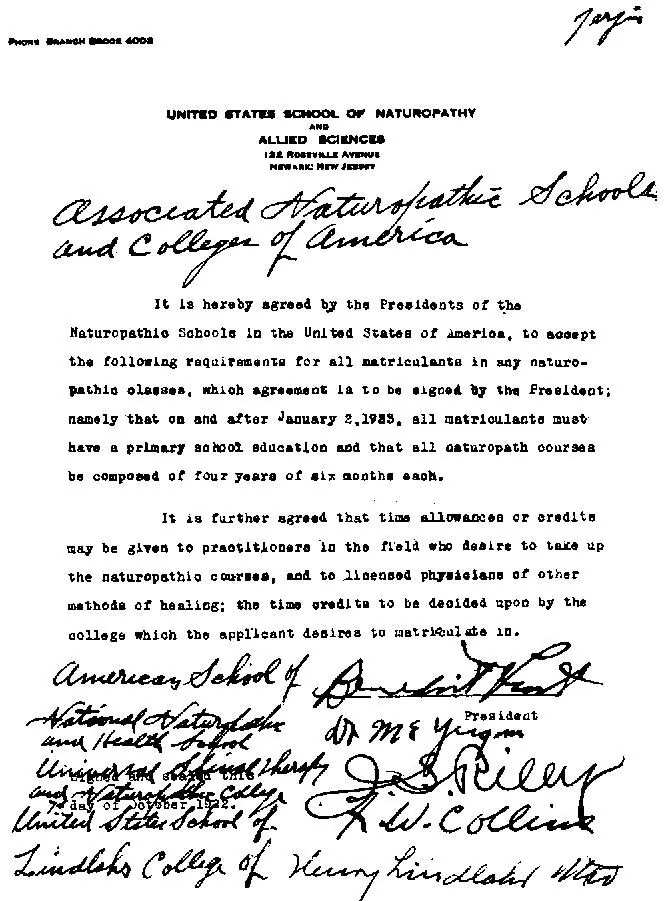
First National University of Naturopathy and Allied Sciences preserves records connected to early naturopathic education. The United States School of Naturopathy & Allied Sciences record and the United States Naturopathic Institute record can help explain an older school name, degree title, or document.

Those records do not confirm present admission, accreditation, tuition, study format, or professional eligibility. Treat a historical document and a current program decision as separate matters. For a program you may attend, request its current materials directly and check the appropriate independent listing.

Explore constituent-school records →

Decision-ready information

Ask for the details that change your choice.

A school can answer general questions with general information. Make your inquiry more useful by naming the degree and campus you are considering, your intended location after study, and the facts you need in writing. Keeping the same questions and responses for each option makes a side-by-side comparison possible.

Current accreditor listing

Save the current listing for the exact program and date you checked it. Ask the school to explain any public status notice that you do not understand.

Admissions prerequisites

Request the education, science coursework, documents, interview, language, or other requirements that apply to the current program.

Clinical and practical learning

Ask where hands-on learning occurs, who supervises it, how many hours are expected, and whether there are separate costs or eligibility requirements.

Learning format and calendar

Ask what happens on campus, online, and in clinical settings, together with attendance dates, breaks, and the expected sequence of study.

Total cost and support

Request a written fee schedule and ask what academic, administrative, and student support is available if your circumstances change.

Local professional rules

Identify the relevant regulator or board before you enroll. Ask what education, examination, and other steps apply in your intended jurisdiction.

Online study and campus learning

Do not let one word stand in for the full program.

The Council on Naturopathic Medical Education says that its accredited N.D. programs are primarily campus-based and that it does not accredit programs delivered entirely or primarily through online or distance instruction. That statement does not mean that every class is identical. A program may use online or hybrid coursework alongside required on-campus and clinical work.

Ask the specific school to show how study is divided across live classes, independent coursework, labs, clinical training, and travel. Request the current calendar, not just a marketing description. The university’s online naturopathic schools guide can help you frame those questions when flexibility is an important part of your decision.

Historic university letter from the archive

Independent checks

Use the source that governs the question.

For current accreditation information, begin with the CNME accredited-programs list and its naturopathic education guidance. These sources describe the Council’s accredited and candidate program information for the United States and Canada.

The Association of Accredited Naturopathic Medical Colleges also provides prospective-student information about its member schools. For questions about professional titles, licensing, or the ability to practice, consult the current regulator or licensing authority for your intended location. A school, an accreditor, and a regulator answer different parts of the same decision.

First National University’s recognition guide and admissions guide can help you organize the questions to ask. Keep the current program documents, fee information, and independent guidance together before you make an enrollment commitment.

Frequently asked questions

Accredited naturopathic medicine school questions

What does accredited mean for a naturopathic medicine school?

Accreditation is a review of a specific program against an accreditor’s standards. Ask which organization accredits the exact program, what its current status is, and where you can read the current listing. Institutional accreditation and programmatic accreditation are different questions, so request information about both when either matters to your plans.

Are accredited naturopathic doctor programs available fully online?

The Council on Naturopathic Medical Education states that it accredits primarily campus-based naturopathic doctor programs and does not accredit programs delivered entirely or primarily through online or distance instruction. A program may use some online or hybrid coursework, so ask the school for its current attendance and clinical requirements in writing.

Does graduation guarantee that I can practice?

No. The professional requirements that apply after graduation depend on the jurisdiction, the credential, and the role you plan to pursue. Check the current rules with the relevant regulator, licensing board, employer, insurer, or professional body where you intend to live and work.

How can I verify a school’s current status?

Start with the accreditor’s current program list, then contact the school’s admissions office for the exact degree title, location, enrollment status, curriculum, schedule, cost, and practical-training arrangements. Keep the written replies with the current listing as you compare options.

Request current information

Get the details for the program you are considering.

Include the degree, campus, your intended location, and the information you need to compare your options with confidence.

Request Information