Prospective students

Online Naturopathic Schools: Compare Your Options

Look beyond an online label. Compare the exact credential, practical requirements, costs, and local implications before you apply.

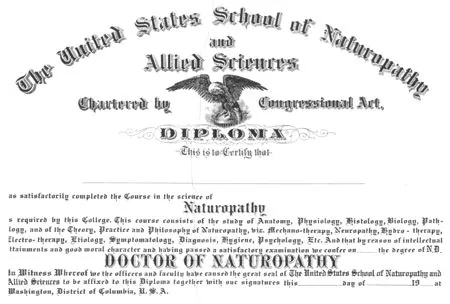
Historic Doctor of Naturopathy degree from the university archive

Start with your outcome

An online search needs a more specific answer.

When you search for online naturopathic schools, you may be looking for flexibility, a particular credential, a route into further study, or a path connected to a professional title. Those are different goals. A school can offer online classes without offering a fully remote qualification, and a course that suits general academic study may not fit a regulated professional pathway.

Begin by naming the outcome you need. Decide whether you are comparing an N.D. program, a broader natural-health course, a certificate, or another credential. Then ask each provider for the current details of that exact offering in writing. The title, delivery pattern, practical work, cost, timeline, and local implications all matter more than a broad claim that a school is online.

A practical comparison

Five checks before you choose an online naturopathic school

01

Name the credential precisely

Request the complete award title as it will appear on your transcript or diploma. Ask what level of study it represents, who awards it, what subjects it includes, and what the provider says it prepares a graduate to do. Similar titles can describe very different courses, so a familiar abbreviation is not enough.

02

Map what happens online and in person

Ask for a current calendar as well as a course outline. Identify live sessions, laboratory work, assessments, observation, practical training, clinical learning, placements, and supervised activities. For every attendance requirement, ask where it takes place, how often it occurs, how long it lasts, and whether travel is your responsibility.

03

Check the professional pathway first

If your plans involve becoming a licensed naturopathic doctor in the United States or Canada, consult the relevant accreditor and the authority where you expect to practise before you compare schools. The Council on Naturopathic Medical Education states that accredited N.D. programs are primarily campus-based, though they may include online or hybrid coursework. A course provider can describe its own program, but it cannot make the local regulator’s decision for you.

04

Calculate the complete commitment

Request tuition, fees, books, materials, technology, examinations, travel, accommodation, insurance, placement costs, and payment dates in writing. Set the full figure beside the study schedule and expected duration. That comparison is more useful than a headline tuition figure when you are balancing work, family, location, and budget.

05

Keep the evidence together

Create one folder for each option and save the course outline, calendar, cost schedule, admissions requirements, practical-work information, and the names of people who answered your questions. Record the date because programs and rules can change. A side-by-side file makes it easier to spot a missing answer before you make a commitment.

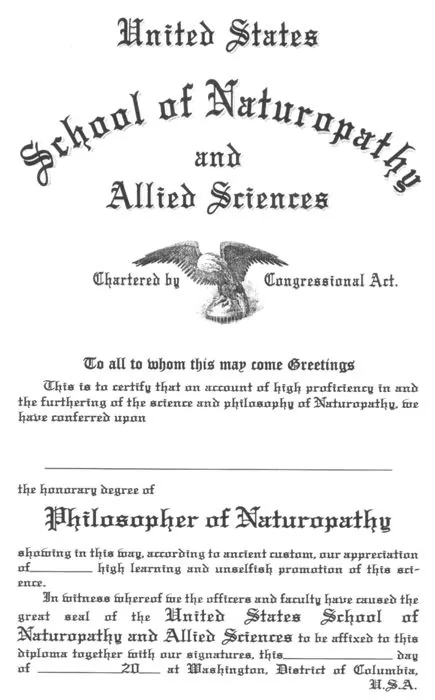
Historic Philosopher of Naturopathy degree from the university archive

The university record

Use a historical record for context, not as a current prospectus.

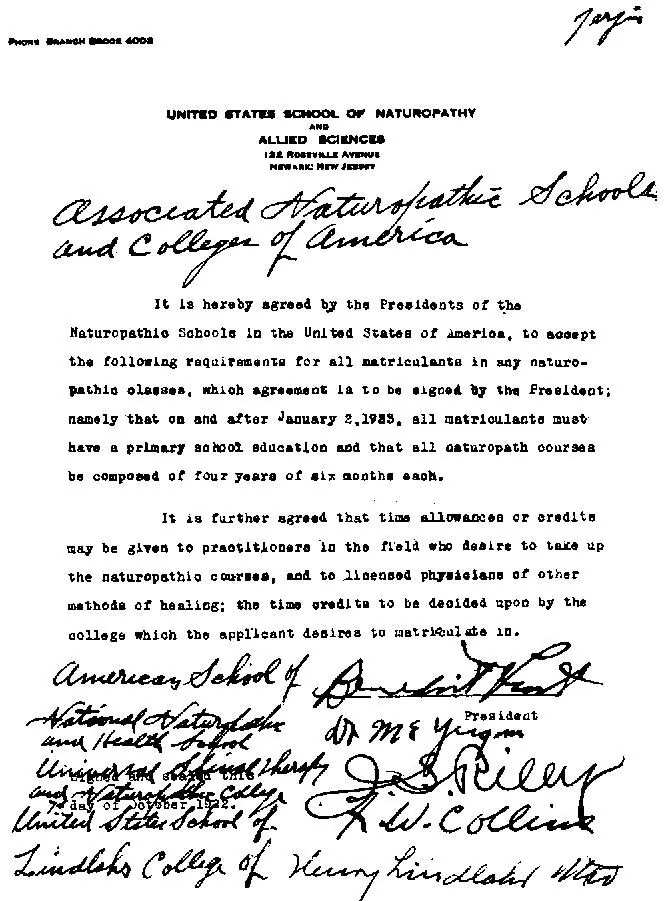
First National University of Naturopathy and Allied Sciences preserves historical information connected to early naturopathic education. The United States School of Naturopathy & Allied Sciences record and the United States Naturopathic Institute record can help researchers, former students, families, and prospective students place an older school name or degree title in context.

Those records cannot confirm whether a course is currently available, fully online, accepting students, accredited, suitable for a particular purpose, or connected to a professional pathway today. Keep the historical record separate from the present-day documents you need from the provider, accreditor, and local authority.

Explore constituent-school records →

For N.D. plans

Understand what “online” can and cannot describe.

For the naturopathic-doctor pathway in the United States and Canada, delivery format matters because the education can include hands-on and supervised components. The Council on Naturopathic Medical Education explains that its accredited doctoral programs are primarily campus-based and that it does not accredit programs delivered primarily or entirely through online or distance instruction. It also notes that accredited programs may incorporate online or hybrid coursework.

That distinction is why a good comparison asks for the exact schedule rather than relying on a single label. One program may use online lectures alongside scheduled campus sessions. Another may describe a flexible course that is unrelated to a licensed N.D. pathway. The responsible choice is to match the actual program documents with the professional requirements that apply where you plan to live and work.

Accreditation status

Ask which organization accredits the exact program and whether its current status applies to the credential you intend to earn. Read the accreditor’s own current information rather than relying on a logo or a broad school statement.

Clinical and practical learning

Ask how applied learning is organised, who supervises it, where it occurs, and whether any clinic, laboratory, observation, or placement requirement has separate timing or costs.

Admissions fit

Request the specific prerequisites, documents, interviews, academic preparation, and location-related requirements for the program. Do not assume a school-wide description applies to every course.

Completion standards

Ask how progress is assessed, what attendance is required, how academic support works, and what standards must be met before the stated credential is awarded.

Local requirements

Check with the relevant regulator, employer, insurer, professional body, or further-study provider in the place where you expect to live and work. Their current rule is the one that matters for your plan.

Written confirmation

Ask for answers in writing from a named contact. Clear documents help you compare options and give you a record to revisit if a claim, timetable, or fee later changes.

Compare like with like

Use the same questions for every school you consider.

Build a simple comparison table with one column for each option. Include the exact credential, current accreditation information, admissions requirements, online and in-person commitments, practical or clinical arrangements, total cost, expected duration, student support, and the professional questions still to be independently checked. Consistent categories prevent the clearest marketing claim from overshadowing the most important missing detail.

Pay close attention to phrases that can sound reassuring without explaining the real student experience. “Flexible” may still involve fixed live sessions. “Online” may describe only part of the curriculum. “Recognized” may refer to an internal policy rather than an outside authority. Ask who makes each decision, which document supports the statement, and whether it applies to the exact credential and location that concern you.

The university’s naturopathic schools guide offers a broader checklist for comparing schools, while the online naturopathic degree guide explains the questions to ask about a specific online degree option. Use both as a starting point, then collect the current written facts that apply to your own plans.

Historic university letter from the archive

Independent information

Check the facts beyond a school brochure.

For current information about accredited naturopathic-doctor education in the United States and Canada, review the Council on Naturopathic Medical Education’s education guidance and its current accredited-program list. The Council’s materials explain the difference between primarily campus-based N.D. education and an entirely or primarily online program.

The Association of Accredited Naturopathic Medical Colleges’ school guide is another useful starting point for comparing the listed institutions. For the current professional requirements that apply to you, consult the responsible authority in your intended location before you enrol.

When you are ready to request university-specific information, the admissions guide and contact page can help you frame the direct questions that matter to your decision.

Frequently asked questions

Online naturopathic school questions

Are there accredited online naturopathic schools for an N.D. degree?

The Council on Naturopathic Medical Education states that its accredited naturopathic-doctor programs are primarily campus-based. They may include online or hybrid coursework, but the Council does not accredit programs delivered primarily or entirely online. Ask each school for the current delivery pattern of the exact program you are considering.

Does online coursework mean an N.D. pathway can be completed remotely?

No. Online lectures or hybrid classes can be part of a program, while laboratory, clinical, practical, assessment, or supervised components can still require attendance. Ask where every in-person requirement occurs, how often it happens, and what you need to arrange or pay for.

What should I ask an online naturopathic school before applying?

Ask for the exact credential, current curriculum, full delivery calendar, attendance and clinical requirements, admissions criteria, complete fees, completion standards, and the written basis for any statement about recognition or professional outcomes.

Can the university archive confirm that a school is currently accepting students?

No. The archive can help explain an older school name, degree title, or historical document. It cannot confirm current availability, teaching format, tuition, admissions, accreditation, or professional eligibility. Request those facts directly from the current provider and the relevant independent authority.

Request current information

Get the details for the option you are considering.

Include the school or credential, your intended location, and the questions you need answered before you compare your options.

Request Information