Naturopathic doctor prerequisites are not one universal checklist. Start with the exact program you may apply to, then have its admissions team confirm your preparation in writing.
Searching for naturopathic doctor prerequisites often produces a long list of science courses. That list is useful, but it is not the decision. The decision is whether your own academic record, planned courses, timing, finances, and intended professional path fit the current entry requirements for a specific program. A course title that looks right can still fall short if its content, laboratory work, grade, delivery method, or age does not match what the school accepts.
This article is for prospective students researching a North American ND pathway. It explains how to turn broad requirements into a clear application plan, while keeping historical university records separate from current admissions facts. It is not an admissions decision or legal advice. Requirements can change, so the final word should always come from the school and, where relevant, the authority that regulates practice where you intend to live and work.
Start with the exact program, not the abbreviation
“ND” can sound like a complete answer, but it is only a starting label. Before mapping prerequisites, identify the full program name, provider, campus, credential, planned intake, and the current admissions page. Ask whether the program is open to new applicants and whether the information you are reading applies to your intended start date. Save a copy of the requirements and note when you checked them.
For students comparing accredited naturopathic medical programs in the United States and Canada, the Council on Naturopathic Medical Education’s program list is a useful primary source. The Council says that its accredited programs are four-year, primarily campus-based doctoral programs, rather than programs taught primarily or entirely through distance instruction. That does not settle every education question worldwide, but it helps prospective students distinguish a particular professional pathway from a general online course or a historic degree title.
Keep the current program information in one folder and your own records in another. You will need transcripts, course descriptions, lab details, grades, application dates, and contact notes. A simple file system sounds basic, but it prevents an important question from disappearing into a browser tab or an old email.
Know the common academic foundation
Schools set their own standards, so no article can substitute for an individual program’s checklist. Still, the American Association of Naturopathic Medical Colleges’ prerequisite comparison gives a sensible picture of the areas prospective students may need to review. Its member-school information commonly includes biological sciences, general and organic chemistry, physics, mathematics, English composition, and social sciences or humanities. Some schools include or recommend additional study such as anatomy, physiology, biochemistry, psychology, or nutrition.
The important word is “may.” One school can require a particular sequence while another accepts an alternative. One may expect a laboratory with a science course, while another assesses a transfer course differently. A school may also set minimum grades, credit-hour requirements, application deadlines, or policies for students completing a requirement shortly before enrollment. Treat any broad checklist as a conversation starter, not a shopping list.
A bachelor’s degree may be part of the application picture, but the subject of that degree is not necessarily the whole story. AANMC explains that applicants can come from any undergraduate major when the core entrance requirements are met. That gives students room to bring a different academic background, but it does not remove the need to verify the specific science preparation each program expects.
Audit your transcript before enrolling in more courses
Start with a factual transcript audit. Make a table with the program names across the top and the requirements down the side. For each subject, record the course title, number, institution, credits, grade, completion date, laboratory component, and whether an admissions adviser has confirmed it. Include a link or saved copy of the school’s current requirement beside each row.
This turns a vague concern into a manageable plan. You may discover that one program accepts coursework you have already completed, while another needs a lab, a higher grade, or a different sequence. You may also find that the missing piece is not science at all. Writing, mathematics, psychology, references, interviews, application materials, and time to prepare can matter just as much to a successful application.
Do not assume two courses with similar names are interchangeable. Ask whether the school needs a syllabus or catalog description. If you studied outside the country where the program is based, ask early how international credentials and course equivalencies are assessed. The best time to resolve that question is before you pay for a replacement course, not when an application deadline is close.
Use the same method for every course you still need. Before registering, check the course calendar, prerequisite chain, term dates, laboratory availability, withdrawal deadline, and final grade date. A course can fit the subject requirement yet still create a timing problem if its final result is released after the ND program needs your file complete. It is also worth asking whether a pass or credit designation is acceptable, whether an older science course has a time limit, and whether a laboratory may be taken separately. These details are not minor administration. They determine whether the plan on paper can actually lead to a complete application.
Check online and laboratory rules before you commit
Online learning adds a second layer of questions. A course may be fully remote, hybrid, or online in lecture format with a separate in-person lab. Its title may not explain how the work is assessed or whether the lab component meets an admissions requirement. AANMC notes that individual schools decide whether they will accept online classes for prerequisites, so confirmation from the specific admissions office matters.
When you contact a school, name the exact course you are considering. Include the institution, catalog number, credits, syllabus link if available, delivery method, and laboratory arrangement. Ask whether it satisfies the prerequisite for your intended intake. If the answer is verbal, send a short follow-up email that restates your understanding and asks the adviser to confirm it. That written record makes your plan easier to trust and revisit.
Also separate prerequisite delivery from professional-program delivery. An online prerequisite that a school accepts is not evidence that the ND program itself is primarily online. The CNME explains that the programs it accredits are primarily campus-based, may include some online or hybrid coursework, and are not accredited when delivered primarily or entirely through distance education. Verify the actual attendance, clinical, travel, and scheduling expectations for the program you hope to enter.
Build an application timeline that has breathing room
Prerequisites are only one part of an application. Once you know what is missing, work backwards from the program’s application and enrollment dates. Add time for transcript delivery, course completion, grades to post, references, interviews, financial planning, and any requested documentation. Then add a realistic buffer. A plan that works only if every course, transcript, and administrative step lands perfectly is too fragile for a significant decision.
Ask each program whether you may apply with coursework in progress, what must be complete before a decision or enrollment, and what happens if a grade or document arrives late. Requirements around timing can differ as much as requirements around subjects. Keep the answers with your comparison table rather than relying on memory.
Financial planning deserves the same care. List application fees, course tuition, laboratory costs, textbooks, travel, housing, insurance, deposits, and the cost of time away from paid work. A lower course fee does not always make a prerequisite less expensive if it adds travel, delays your application, or needs to be repeated. Clear figures make it easier to compare choices without wishful thinking.
Where possible, plan a short check-in before every major commitment. An admissions adviser can confirm whether the program requirements remain current, a course provider can confirm the delivery and lab arrangement, and an independent regulator can clarify the rules that apply to a future location. Keeping those questions separate avoids a common mistake: asking one organization to answer a question that belongs to another. It also leaves you with a record of who confirmed what, and when.
Separate admission from accreditation and permission to practise
Meeting prerequisites tells you that you may be ready to apply. It does not itself establish that a program is accredited, that you will be admitted, or that graduation will grant a right to practise in every location. Those are different questions, often handled by different organizations.
For the U.S. and Canada ND pathway described by CNME, the Council says that graduates of its accredited programs qualify to take the licensing examination in jurisdictions that regulate naturopathic doctors. Rules still vary by jurisdiction. If professional practice is part of your objective, check the current rules with the relevant regulator where you expect to live and work. If a move is likely, investigate the destination too. A course or credential name is never a substitute for checking local requirements.
Use precise questions: Which organization accredits this exact program? What is the program’s current status? Which examination, registration, or licensing requirements may apply in my intended location? Where can I read the relevant authority’s current rules? A school that provides specific answers and directs you to the original source gives you something useful to evaluate.
A practical prerequisite checklist
- Name the program. Record the full credential, provider, campus, intake, and current admissions page.
- Save the current requirements. Keep a dated copy of each school’s prerequisite list and deadlines.
- Audit your transcript. Compare completed courses, credits, grades, lab work, and dates against each school’s exact standards.
- Confirm unclear courses first. Ask about transfer credits, online classes, laboratories, older coursework, and international credentials before you enroll elsewhere.
- Plan the whole application. Schedule time for documents, references, interviews, finances, and any coursework still in progress.
- Check your intended destination. If your goal includes regulated practice, read the current rules for the location where you expect to work.
- Keep the evidence. Save admissions replies and source links so you can compare decisions based on written facts.
How the university’s record can help
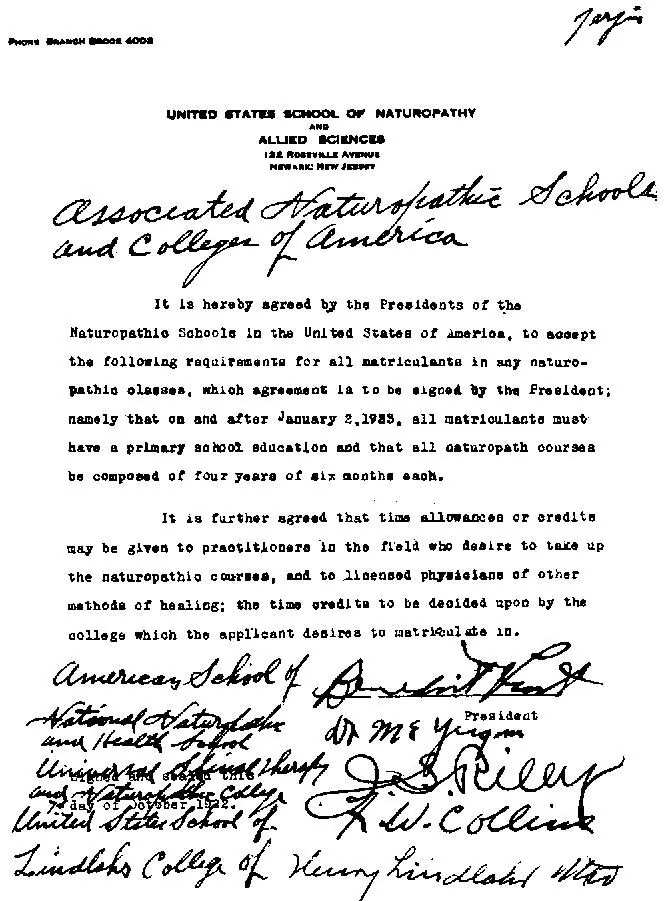
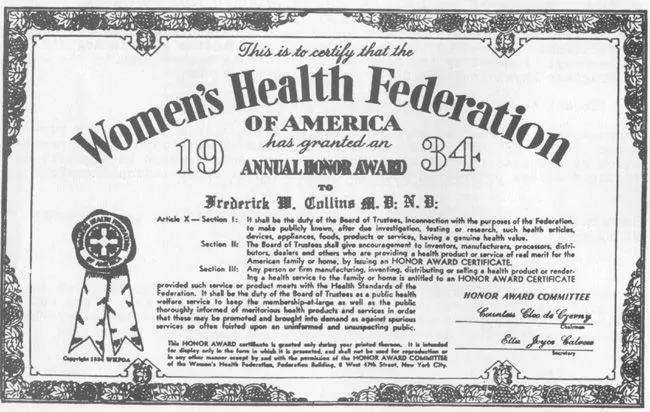
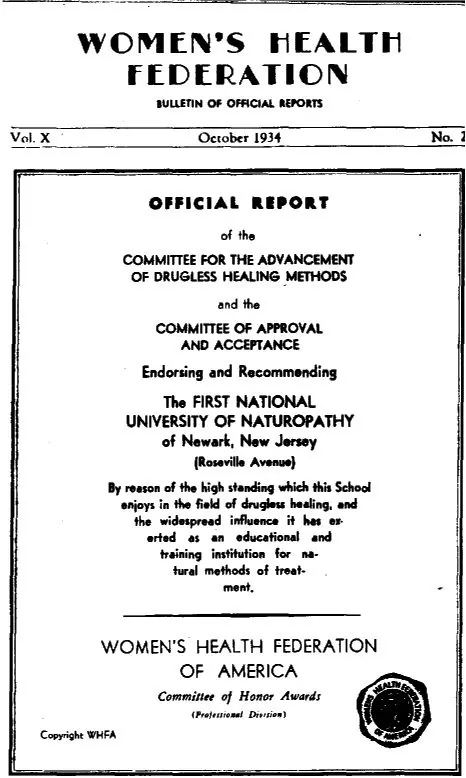
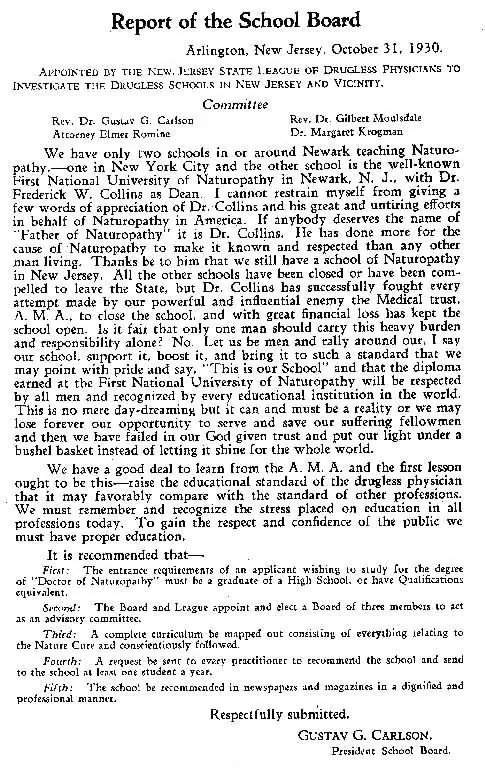
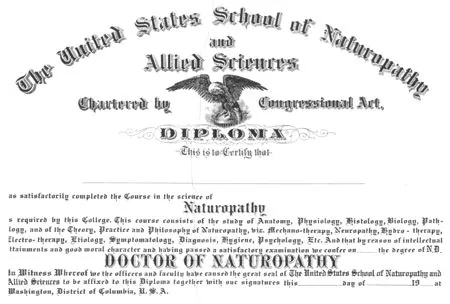
First National University of Naturopathy and Allied Sciences preserves historical records connected to natural medicine education. Those records can help researchers, former students, and families understand how an institution or degree title appeared in its own period. The constituent-school records, institutional history, and document collection are useful places to begin that research.
They are not a current prospectus, admissions agreement, timetable, or statement about eligibility for a modern professional pathway. For present-day questions about programme availability, prerequisite acceptance, costs, format, accreditation, or local rules, request current written information for the exact option you are considering. The university’s admissions guide and recognition guide can help organize the questions that matter.
Make the next question specific
The strongest application plan is not the one with the longest list of courses. It is the one where each requirement has been checked against the program, your record, and your intended future. Start with the largest uncertainty on your table, ask the school to clarify it in writing, and move forward only when the answer fits the goal you have set. That care protects your time, money, and future options.