
In the United States and Canada, a person pursuing the regulated naturopathic-doctor pathway ordinarily attends a doctoral program in naturopathic medicine, not an MD or DO medical school. The exact meaning of the title, the education required, and the permission to practise depend on the school and the jurisdiction.
The question “Do naturopathic doctors go to medical school?” deserves a more careful answer than a yes or no. People use “medical school” in different ways. Sometimes they mean an MD or DO program. Sometimes they mean any graduate-level clinical education. Sometimes they are trying to find out whether a practitioner’s title represents a current, regulated professional route or a broad education claim.
For a prospective student, the useful task is to identify the exact pathway. For someone choosing care, the useful task is to understand the individual practitioner’s education, licence where applicable, and scope in the place where care is offered. A familiar word such as “doctor,” “medical,” or “naturopathic” cannot answer those questions on its own.
What “medical school” usually means in this question
In common North American usage, medical school often means education leading to the Doctor of Medicine, or MD, or Doctor of Osteopathic Medicine, or DO, degree. Naturopathic-doctor education is a different program type. The Council on Naturopathic Medical Education, or CNME, describes the programs it accredits as doctoral programs in naturopathic medicine. The Council says these programs include biomedical and clinical sciences alongside naturopathic modalities and hands-on clinical training.
That does not make the words interchangeable. A prospective student should ask a school for the exact degree awarded, the accreditor relevant to that program, its current delivery arrangement, its clinical requirements, and the professional path the program is designed to support. A patient should ask a practitioner for their exact degree, current licence or registration where applicable, and the services they are legally authorised to provide.
The distinction matters because education, professional title, licensing examinations, and scope rules are set by different bodies. A course title can be similar to another program’s title while leading to a very different result. It is sensible to verify the full chain before using it to make a career or health decision.
What the accredited ND path looks like
CNME states that the ND programs it accredits in the United States and Canada are typically four years and primarily campus-based. They may include online or hybrid coursework, but CNME does not accredit a program taught entirely or primarily through online instruction. That is an important limitation for anyone comparing a current ND pathway with a fully remote course carrying a similar-sounding name.
The Council’s current accredited-programs list is a stronger starting point than an old directory, a badge, or a search result. A school’s status can change. Programs can merge, stop enrolling students, or enter a teach-out. Read the entry for the specific campus and program you are considering, then confirm current admissions and curriculum details directly with the school.
Accreditation answers a defined question about a program. It does not itself guarantee admission, future employment, a particular scope of practice, or permission to practise everywhere. Those questions require separate research, including the rules in the state, province, or country where you intend to live and work.
How students prepare before applying
Requirements vary by program, so a generic list is only a starting point. The American Association of Naturopathic Medical Colleges prerequisite comparison shows that member programs require academic preparation, but the exact courses, laboratory work, grades, documents, and application process differ by school. The Association advises applicants to check the current requirements with each school they are considering.
Create a side-by-side worksheet before you pay for a prerequisite. Record the degree requirement, science courses, laboratory expectations, minimum grades, application deadline, references, interview process, and any requirement that your own record creates. Then ask the admissions office to confirm the assessment of your transcripts in writing. A course title that looks right may not include the laboratory, sequence, or content that a particular program needs.
If you are changing careers, have studied outside the country, or completed science courses years ago, this written confirmation becomes even more valuable. It prevents a prospective student from spending time and money on an assumed route when a school has a more specific requirement.
Why the location comes before the school shortlist
Graduation is not automatically the same as professional permission to practise. Rules about licence, registration, examinations, title use, and scope vary by jurisdiction. CNME says graduates of its accredited programs may qualify for licensure in U.S. states and Canadian provinces that regulate naturopathic doctors, but the relevant regulator decides the requirements for its own jurisdiction.
Begin with the place where you expect to work. Find the official board, college, or regulator and read its current applicant information. For example, a jurisdiction may require graduation from an approved program, a particular examination, an application, documentation, fees, or additional conditions. Another jurisdiction may use a different framework. Do not borrow a checklist from a nearby state or province and assume it applies to you.
The university’s recognition guide explains why a title or school claim needs to be checked against the authority responsible for the location in question. For a career decision, save the regulator’s official page and note the date you reviewed it. If a rule will determine your next move, contact that authority directly.
What prospective students should compare
A strong comparison looks beyond the degree name. Ask each school for its current curriculum, expected weekly commitment, attendance pattern, clinical education, assessment approach, costs, and policies for delay or withdrawal. Put practical commitments such as relocation, travel, housing, insurance, books, and clinical requirements beside tuition rather than treating them as afterthoughts.
- Exact award: What degree will appear on the final credential?
- Current programme status: Is the specific campus and program listed by the relevant accrediting body?
- Admissions fit: Which prerequisites and documents apply to your record?
- Study arrangement: What is on campus, online, in clinic, or at another site?
- Full commitment: What are the tuition, fees, materials, travel, and time requirements?
- Professional next steps: Which regulator, examination, application, and rules apply where you plan to work?
The site’s admissions guide is a useful companion for requesting current information about availability, delivery, fees, and timing. Use it to make your questions more precise, then rely on the current school, accreditor, and regulator for answers that affect your own decision.
What this means for patients and families
Someone looking for care has a different job from someone comparing programs. Start with the individual practitioner, not the broadest label. Ask what degree they earned, where and when they completed it, whether they hold a current licence or registration in the location where they provide care, and what services they are authorised to offer there. A clear practitioner should be able to explain those details without turning a question about credentials into a marketing conversation.
It is also reasonable to ask how the practitioner handles referrals, serious symptoms, prescriptions, testing, and communication with other healthcare professionals. Education can tell you something important about a person’s background, but it is not a substitute for checking their present status and the rules that govern the service you are considering. Those rules are local, and they can change.
For urgent symptoms or a serious condition, seek prompt advice from an appropriately licensed clinician. This article is educational context, not personal medical advice. It is meant to help readers ask clearer questions about education and professional claims, not to diagnose conditions or recommend treatment.
How to check a claim without getting lost in jargon
When a school or practitioner uses a phrase such as “accredited,” “recognised,” “medical,” or “board certified,” write the claim down exactly. Then identify the organisation behind it. Read that organisation’s current public information and check whether it names the specific program, credential, or professional status being discussed. The source should explain both its scope and its limits.
A helpful research file has four links: the school’s current program page, the relevant accreditor’s listing, the examination body's information when an examination applies, and the regulator’s page for the location that matters to you. If those four sources tell a consistent story, you have a much firmer basis for the next question. If they conflict, pause and ask the organisation responsible for the claim to clarify the difference in writing.
This method is deliberately ordinary. It avoids relying on a title alone and makes it easier to spot when a website is describing history, a current academic program, a professional membership, or a legal right to practise. Those are separate facts, and a major education decision deserves that level of care.
How this differs from a historical degree record
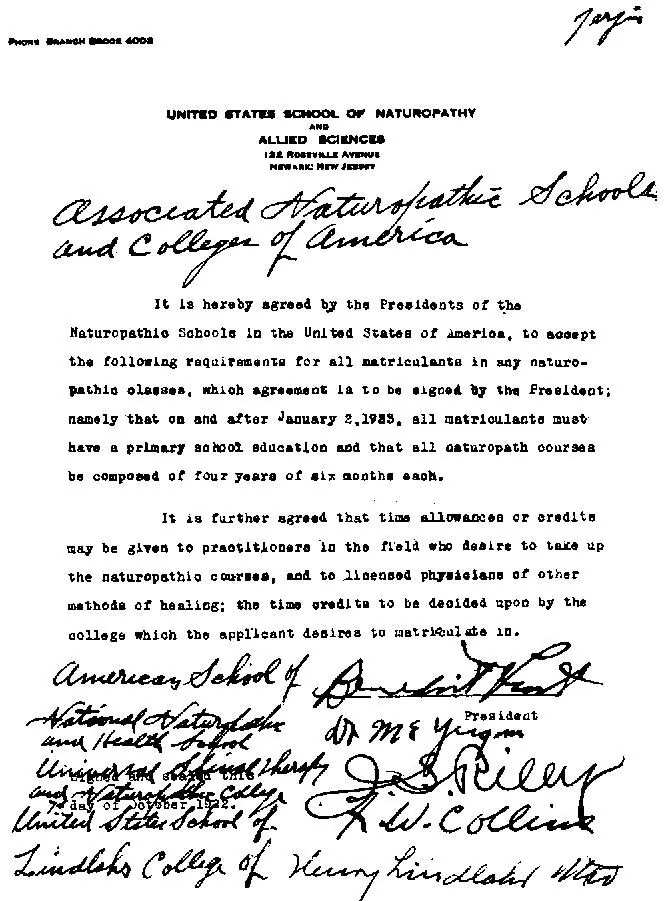
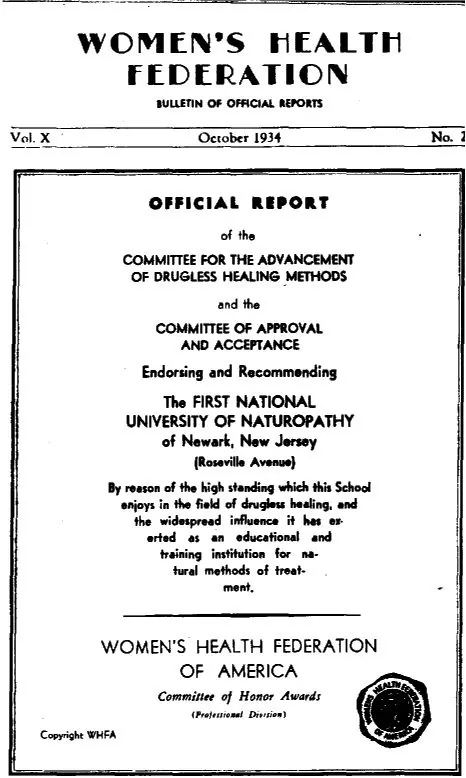
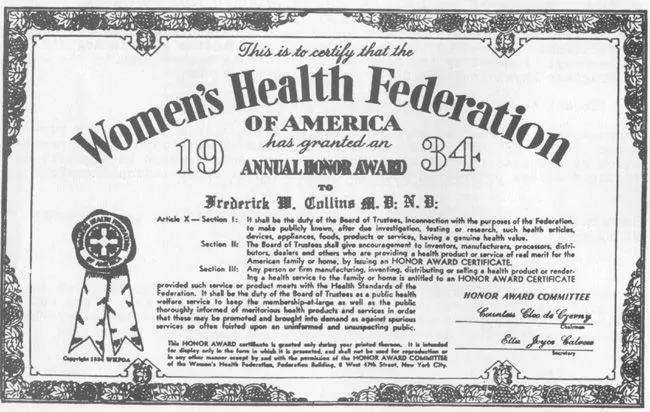
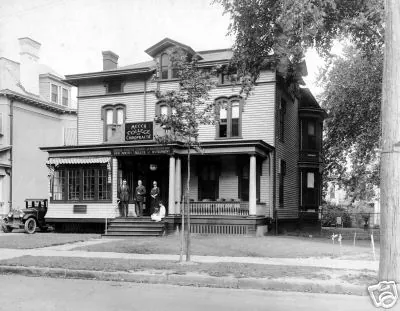
First National University of Naturopathy and Allied Sciences preserves historical records of schools and degree titles connected to natural medicine education. Those records can help researchers, former students, and families understand how a name or credential was used in its own period. They do not establish that a program is currently open, accredited, or a route to present-day licensure.
Keep historical context and current professional planning in separate columns of your research. The university’s institutional history, constituent-school records, and document collection are appropriate places to begin when you are investigating an archive question. For a new education decision, add current material from the prospective school, the relevant accreditor, and the regulator in your intended location.
That separation protects readers from a common mistake: treating an old title, a historic institutional record, or a broad online description as proof of a current professional outcome. A careful decision needs current, written facts that apply to the exact program and place in question.
A practical next step
If your goal is an ND pathway in the United States or Canada, start by defining where you intend to practise, checking the current CNME program list, comparing the schools that fit your circumstances, and reading the regulator’s requirements for that location. If your question is about a historic school name or document, start with the university archive and use the contact page to request help understanding the record.
The best answer to “Do naturopathic doctors go to medical school?” is specific rather than sweeping. It depends on what someone means by medical school, which education program is being discussed, and which jurisdiction governs the professional role. Asking those questions early gives prospective students a clearer, safer basis for a major decision.
Save the answers you receive and revisit the official sources before accepting an offer or changing location. Current, source-based information may feel less exciting than a broad promise, but it is far more useful when the decision will affect your time, money, and future work. It also makes a conversation with an admissions office or regulator much more productive, because you can ask about one precise requirement instead of relying on a general impression.


