Prospective students

Online Naturopathic Degree: Compare Before You Apply

Use the university’s historical record for context, then verify the current study, practical, and professional details that affect your decision.

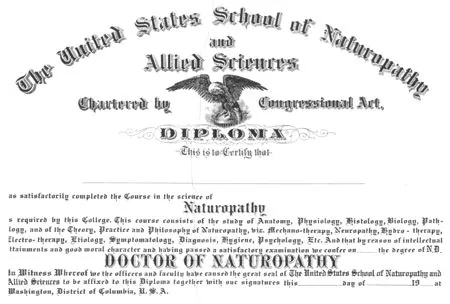
Historic Doctor of Naturopathy degree from the university archive

Start with the outcome you need

“Online” does not tell you what a degree leads to.

An online naturopathic degree can sound like a straightforward route to flexible study. Before you compare tuition or timetables, define what you need the qualification to do. Are you looking for academic study, a foundation in natural health, a specific credential, or a path connected to a regulated professional title? Those are different goals, and a course that suits one may not suit another.

Ask each provider for current information about the exact course, not a broad statement about online learning. You need to know the award title, subjects, assessment, expected workload, attendance requirements, practical arrangements, total cost, and the written basis for any claim about recognition or professional outcomes. Clear answers make it much easier to compare like with like.

A practical comparison

Five checks before you commit to an online course

01

Name the qualification precisely

Request the complete credential title exactly as it appears on the award and transcript. Ask what level of study it represents, who awards it, and what the provider says it prepares a graduate to do. Do not assume that similar-sounding titles carry the same meaning.

02

Map every in-person requirement

Ask which teaching, assessment, laboratory, observation, practical, clinical, or supervised elements require attendance. Request the location, frequency, timing, travel expectations, and who arranges them. A program can include online coursework without being fully remote.

03

Read the current course plan

Request the current curriculum, expected study hours, assessment methods, academic support, and completion standards. A course outline and calendar reveal more than a marketing description: they show what you will actually study and when commitments arise.

04

Calculate the complete investment

Ask for tuition, fees, books, materials, technology, examinations, travel, practical-study costs, insurance, and payment dates in writing. Put the full figure beside the expected duration and the time you will need to set aside before deciding whether the arrangement is workable.

05

Check the rule where you will use it

Before enrolling, identify the regulator, employer, insurer, professional body, or further-study provider relevant to your plans. Confirm directly how the exact qualification relates to their current requirements in the place where you expect to live and work.

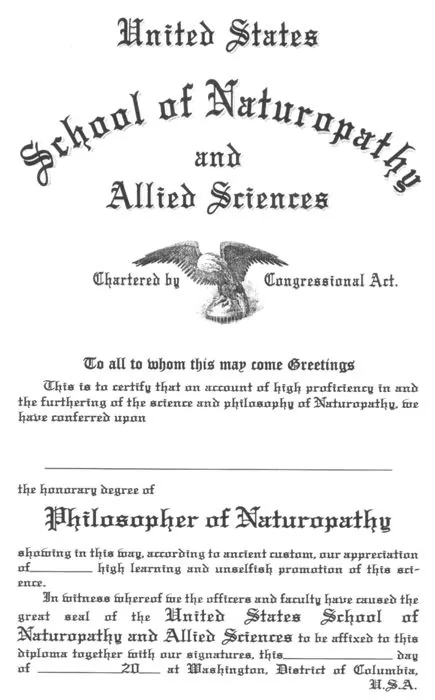
Historic Philosopher of Naturopathy degree from the university archive

The university record

Use historical records to understand a name, not to fill in current facts.

First National University of Naturopathy and Allied Sciences preserves historical information connected to early naturopathic education. The United States School of Naturopathy & Allied Sciences record and the United States Naturopathic Institute record identify historic school names and degree titles that may help researchers, former students, families, and prospective students place an older document in context.

Those pages are not a current prospectus. They cannot establish whether a course is accepting students, how it is delivered, what it costs, whether practical study is required, or how a credential may be used today. Keep the historical record separate from the current written evidence you need before applying.

Explore constituent-school records →

For the naturopathic-doctor pathway

Check whether the course matches your professional goal.

If your aim is the regulated naturopathic-doctor pathway in the United States or Canada, the delivery question needs particular care. The relevant educational standards and local rules are more specific than the word “online.”

Begin with the outcome, then work backward. If you hope to seek licensure, ask the regulator what education it requires before you compare courses. If you are pursuing academic study or a different natural-health role, ask the provider to explain the qualification’s intended use without treating that explanation as a regulator’s decision. This simple distinction prevents a course title or delivery label from carrying more weight than it should.

Accreditation and delivery

The Council on Naturopathic Medical Education states that its accredited naturopathic-doctor programs are primarily campus-based. It does not accredit programs delivered primarily or entirely online, although accredited programs may include online or hybrid coursework.

Clinical learning

Ask how applied and supervised learning is organised in the exact program. For a professional pathway, the location, oversight, and required hours matter as much as the online portion of the timetable.

Licensing pathway

In jurisdictions that regulate naturopathic doctors, education is only one part of the picture. Check current local requirements for examinations, registration, and scope of practice with the relevant authority.

Independent confirmation

Read the accreditor’s current information and the local regulator’s rules yourself. A provider’s description can explain its own course, but an independent authority decides what its requirements mean for you.

Transfer-credit questions

If you expect to move into another program later, ask in writing whether your coursework may be recognised and what the receiving school will require. Do not rely on an informal assurance.

Stay specific

Ask every question about the exact program, campus or location, and intended credential. Broad answers about a field, school group, or study mode can hide the details that change your decision.

Build a written comparison

Turn an attractive option into a decision you can defend.

Create one folder for each program you are considering. Save the course outline, admissions requirements, cost schedule, delivery calendar, practical-study information, and the names of the people who answered your questions. Label the documents with the date you received them because course details and local rules can change.

Then compare the same items side by side: credential, academic content, online and in-person commitments, total cost, timeline, support, and fit with your intended location. If an answer is vague, treat that as an unresolved question rather than a reason to make an assumption. A significant education decision deserves a record you can revisit.

Look closely at the conditions attached to each answer. “Online” can mean self-paced work, scheduled live teaching, or a mix of both. “Practical support” can mean observation, supervised work, or a separate placement you must arrange. “Recognition” can describe an internal policy rather than an outside authority’s requirement. Write down who gave each answer, what document supports it, and what still needs independent confirmation. A comparison becomes useful when it shows both what is known and what remains uncertain.

For a broader starting point, the university’s naturopathic schools guide explains the core questions worth asking of any school, while the recognition guide helps separate a course description from the requirements that may apply after study.

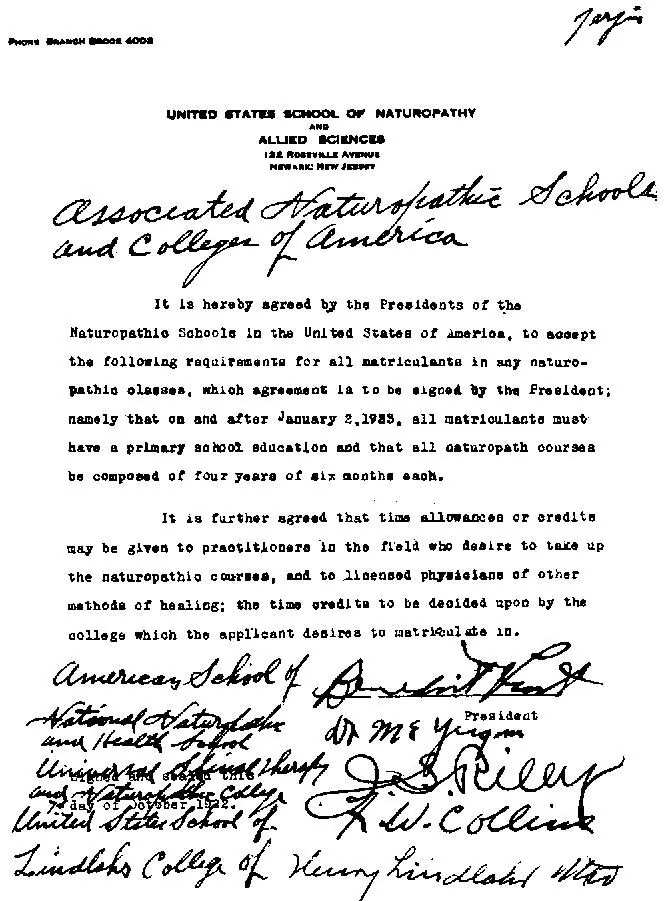
Historic university letter from the archive

Independent sources

Check the facts beyond the course brochure.

For current information about accredited naturopathic-doctor education in the United States and Canada, review the Council on Naturopathic Medical Education’s education guidance and its current program list. For jurisdiction-specific professional requirements, consult the relevant regulator where you intend to live and work.

The American Association of Naturopathic Physicians’ regulated-jurisdictions guide is one starting point for identifying U.S. authorities. It is not a substitute for checking the current rule with the authority itself.

First National University’s admissions guide can help you frame a direct request for current details. Keep the program documents and independent guidance together before you make a commitment.

Frequently asked questions

Online naturopathic degree questions

Can I earn a licensed naturopathic doctor degree fully online?

For the licensed naturopathic-doctor pathway in the United States and Canada, the Council on Naturopathic Medical Education says its accredited programs are primarily campus-based and are not delivered primarily or entirely online. Programs may still use some online or hybrid coursework, so ask each school how its exact curriculum is delivered.

What should I ask an online naturopathic degree provider?

Ask for the exact award title, the full current curriculum, the amount and location of any attendance or practical work, faculty and student-support arrangements, the total cost, completion standards, and a written explanation of what the credential is intended to support.

Can the university archive confirm a current online course?

No. The archive can help place a historic school name or degree title in context. It cannot confirm current availability, online delivery, admissions, fees, accreditation, or professional eligibility. Request those facts directly from the current provider.

Why do local rules matter?

Professional titles, scopes of practice, licensing, employer expectations, insurance, and further-study routes vary by location. Check the relevant current authority where you plan to live and work before you make an enrollment decision.

Request current information

Get the details for the program you are considering.

Include the credential, your intended location, and the questions you need answered before you compare study options.

Request Information