Prospective students

Naturopathic Schools: What to Confirm Before You Apply

Use the university’s historical school records as context, then request the current details that matter before you make an enrollment decision.

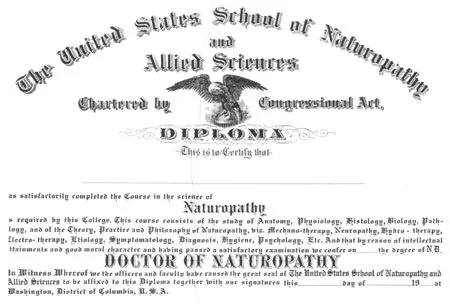
Historic Doctor of Naturopathy degree from the university archive

Start with the present

A school name is only one part of the decision.

When you are considering naturopathic schools, it is easy to begin with a name, a degree abbreviation, or a broad promise about natural medicine. Those details can help you form a first impression, but they do not answer the questions that affect your time, budget, and future plans. Before you apply, you need current written information about the exact program, what you will study, how learning is delivered, what it will cost, and what the qualification may mean where you intend to live and work.

First National University of Naturopathy and Allied Sciences preserves a historical record connected to early naturopathic education. Its constituent-school pages identify institutions, degrees, documents, and events associated with that record. That history can be valuable context when you are researching a school name or older credential. It is not a substitute for a current prospectus, admissions agreement, course outline, or independent guidance about professional requirements.

A better comparison

Five questions every prospective student should resolve

01

What is the exact credential?

Ask for the complete award title exactly as it will appear on your transcript, diploma, or certificate. Then ask for a plain explanation of what that credential represents. A familiar abbreviation does not always mean the same thing at every school or in every location.

02

What does the current curriculum include?

Request the subjects, learning outcomes, assessments, expected workload, and completion standards for the program you are considering. If a school describes practical, clinical, laboratory, or supervised learning, ask for the details of where it happens and who is responsible for oversight.

03

How will study fit into real life?

Clarify the balance of online study, scheduled attendance, independent work, practical requirements, travel, and technology. A flexible description can still include fixed commitments that matter to your work, family responsibilities, location, and budget.

04

What is the complete cost and timeline?

Ask for tuition, fees, books, materials, equipment, assessment charges, payment dates, expected duration, and any cost connected with practical study or travel. A complete written estimate is far more useful than a headline figure when you are comparing options.

05

What does the qualification mean where you live?

Professional titles, practice expectations, employer requirements, and further-study pathways can vary by state, province, country, and profession. Check the current facts with the relevant independent authority before you make an enrollment commitment.

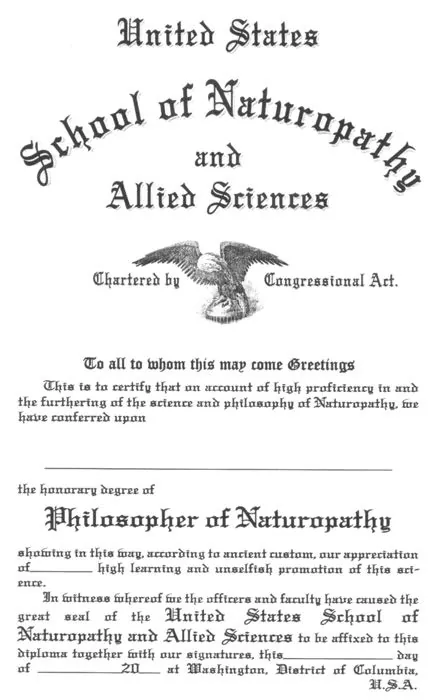
Historic Philosopher of Naturopathy degree from the university archive

The university record

Use the archive to understand a name, not to assume a current offer.

The university’s United States School of Naturopathy & Allied Sciences record identifies a historical parent and constituent school and names N.D., N.M.D., bachelor’s, master’s, doctoral, and Philosopher degrees in its archive. The United States Naturopathic Institute record provides another historical reference point within the university system.

These records may help a prospective student, researcher, former student, or family member understand the setting in which a school name or degree title was used. They cannot confirm present availability, current curriculum, admissions requirements, tuition, delivery arrangements, or the professional use of a qualification. Those questions deserve a direct, current answer in writing.

Explore constituent-school records

Ask for useful answers

Specific questions lead to a clearer decision.

A general inquiry can produce a general response. When you contact a naturopathic school, identify the exact course or credential you are considering, explain where you intend to study or work, and request the documents that apply to your situation. The goal is to put comparable facts in front of you before you commit.

Program availability

Ask whether the exact program is accepting students now, when the next intake is planned, and whether there are limits related to student location, previous education, or other eligibility factors.

Admissions requirements

Request the documents, education, experience, language, interview, or other requirements for the specific program. Do not rely on a general statement about an institution.

Study and assessment

Ask how instruction is delivered, how progress is assessed, what attendance is expected, and what standards must be met to complete the course and receive the stated credential.

Practical arrangements

If applied learning is part of the program, ask where it takes place, who supervises it, whether you must arrange any part of it yourself, and what additional costs or conditions apply.

Written cost details

Request a complete fee schedule and payment timing. Include materials, books, travel, equipment, examinations, practical requirements, and any charge that may arise after enrollment.

A named contact

Ask who can answer follow-up questions as you review the information. Clear written answers from a named contact make it easier to resolve uncertainty before it becomes an expensive surprise.

Study format

Look past the word “online.”

The university states that distance-learning protocols may be used in appropriate programs to support student progress and help reduce costs. For any school or course you are considering, that statement is a starting point, not a description of your complete student experience.

Ask what can be completed remotely, what requires attendance, whether practical or supervised work has separate conditions, and what technology or materials you need. Request the calendar as well as the course outline. A calendar shows when you must be available and whether the study pattern is compatible with the commitments you already have.

It is also sensible to ask what support is available when you need clarification, feedback, or help navigating the course requirements. Find out how quickly you can expect a response, whether academic guidance is available, and how changes to a schedule or requirement are communicated. The practical experience of a program is shaped by those answers, not by a single label.

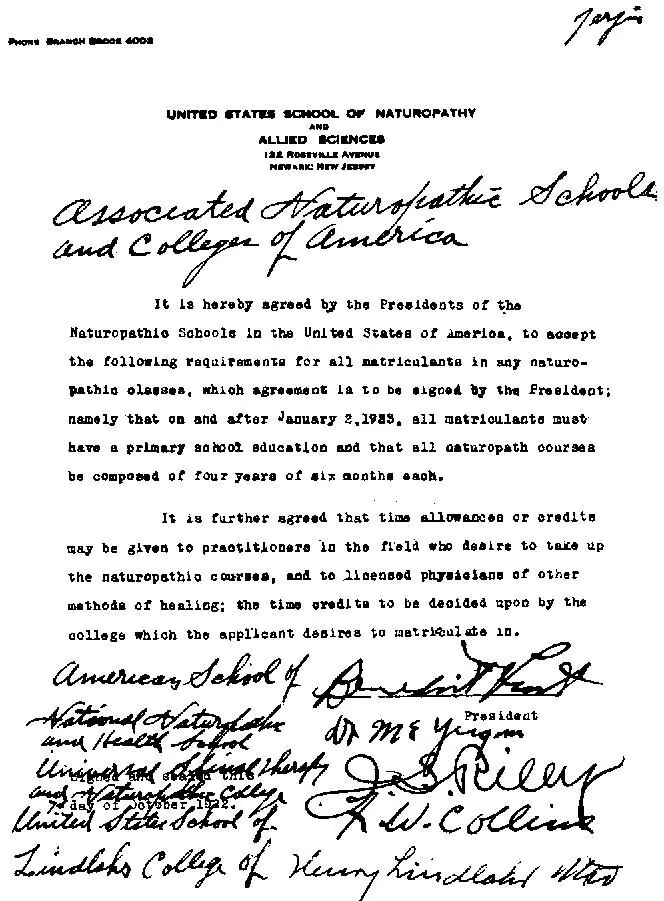
Historic university letter from the archive

Professional plans

Keep the school, credential, and local rules separate.

A school can describe its current course and credential. A regulator, professional body, employer, insurer, or further-education provider may apply a separate standard when deciding what education is needed, which title may be used, or what additional steps are required. These questions are related, but they are not interchangeable.

Before applying, ask the school what the program is intended to provide and what the award does and does not represent. Then consult the responsible authority in the place where you expect to live and work. This is especially important when your plans involve a professional title, work with the public, insurance, clinical activity, or a move between jurisdictions.

The university’s recognition guide and admissions guide outline the practical questions worth resolving. Keep the written answers, course materials, cost information, and local guidance together so you can compare the whole decision rather than relying on one reassuring detail.

Frequently asked questions

Naturopathic school questions

Does the university publish a current list of naturopathic schools?

The public website preserves historical constituent-school records. For current availability, admissions requirements, delivery format, tuition, and dates, contact the university directly and request details for the specific course you are considering.

What should I compare when looking at naturopathic schools?

Compare the exact credential, current curriculum, study format, practical requirements, total cost, expected duration, student support, and the professional implications in the place where you intend to live and work.

Can a historical school record confirm a current program?

No. A historical record can provide useful context about an institution or degree title, but it is not a current prospectus, admissions agreement, course calendar, or statement of professional eligibility.

Why should I check local requirements before applying?

Professional titles, practice rights, employer expectations, and further-study requirements can vary by location. Confirm the current facts with the relevant independent authority before making an enrollment commitment.

Request current information

Get the details for the school or course you are considering.

Include the constituent school or credential, your intended location, and the information you need to make an informed decision.

Request Information