

An online Doctor of Natural Medicine program can mean very different things. Compare the exact award, study arrangement, recognition claim, and local rules before you commit.
Searching for a Doctor of Natural Medicine degree online often brings together programs that use similar language but offer very different experiences. One may be an advanced academic program for people with prior education. Another may be a wellness-focused distance-learning course. A third may use a related title for a program with practical requirements. The title alone cannot tell you what you will study or what the award will mean when you finish.
The right approach is not to decide whether online study is good or bad in the abstract. It is to make the program explain itself clearly. Before you apply, identify the exact credential, find out how the study actually works, and check the organizations and rules that matter to your intended path.
This guide gives you eight checks that make those comparisons practical. It is educational information, not a statement that any particular program leads to a license, a protected title, or authority to provide healthcare.
1. Write down the exact degree title
Start with the award name exactly as it appears on the school’s current materials, enrollment agreement, and transcript. “Doctor of Natural Medicine,” “Doctor of Naturopathic Medicine,” “Doctor of Naturopathy,” and other similar titles are not automatically interchangeable. The difference in a word can point to a different curriculum, educational level, accrediting framework, or professional implication.
Ask the provider to identify whether the award is a degree, diploma, certificate, or another credential, and which institution issues it. Then ask what prior education is required. A genuine postgraduate program should state its admissions requirements plainly. If an exception or prior-learning route is available, ask how it is assessed and documented.
Keep the program title in a comparison file with the date you found it. That simple habit prevents an attractive headline or a historic name from becoming a substitute for current written facts.
2. Find out what “online” actually includes
Online can mean self-paced reading, scheduled teaching, recorded lectures, live seminars, supervised examinations, workshops, travel, placements, or a combination of these. Ask for a typical week and a complete list of requirements that cannot be completed from home. A clear answer should cover attendance, assessments, technical needs, practical work, and who supervises any hands-on learning.
Do not assume that flexibility means the same thing for every student. A program might be mostly remote while still requiring a fixed-time seminar, an in-person assessment, or local arrangements for practical learning. Those details affect travel, work schedules, childcare, insurance, and the full cost of study.
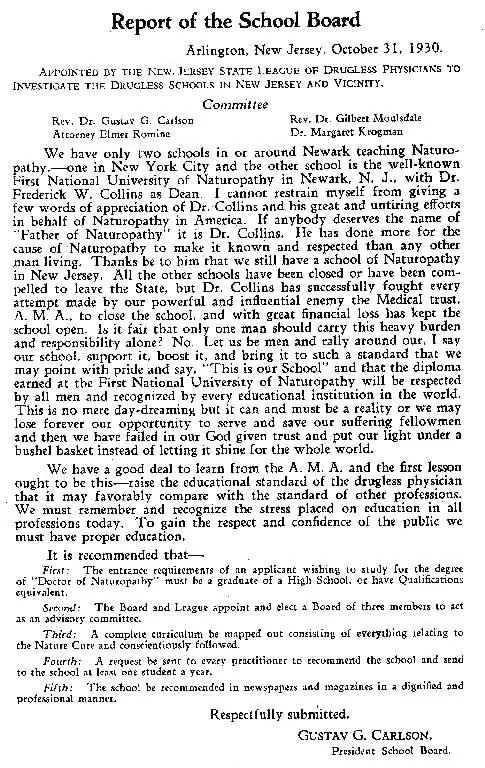
The Council on Naturopathic Medical Education explains that its accredited ND programs may include online or hybrid coursework but are primarily campus-based. That does not evaluate every online natural medicine program. It does show why the exact program and the route you intend to follow must be checked rather than inferred from a familiar title.
3. Read the curriculum, not only the summary
Ask for the current module list, learning outcomes, expected workload, assessment plan, and required reading. Look for concrete information rather than a long list of broad subjects. You should be able to understand what you will learn, how you will demonstrate it, and how feedback is provided.
If a program makes claims about clinical, practical, or supervised education, ask where that work happens, who oversees it, and how the school assesses it. If it refers to a final project, find out what the project requires and whether the work is independently evaluated. If a course is designed for existing professionals, ask what background knowledge it assumes and whether it will be taught or simply expected.
A serious education decision needs more than a persuasive syllabus. The curriculum should help you judge whether the study fits your goal, your starting point, and the responsibilities you may have after graduation.
4. Separate accreditation, private recognition, and legal permission
These are different questions, even when a school presents them together. First, ask whether a named accrediting body covers the exact program. Next, ask whether a private association or board offers a credential, membership, or register to graduates. Finally, ask what the relevant regulator allows a person to call themselves or do in the place where they plan to work.
The CNME’s list of accredited programs identifies the schools and programs within its own scope. Its accreditation information is useful when your goal is a naturopathic doctor pathway in the United States or Canada. It is not a blanket endorsement of every program with natural medicine language, and it does not replace checking the local rules that apply to you.
Private recognition can have value within the organization that offers it. It should still be described accurately. Ask what the organization requires, whether the credential is current and publicly verifiable, and whether it is a government regulator or a private membership body. A clear answer is better than a broad promise of being “recognized.”
5. Check the rules where you plan to live and work
Professional titles and scope of practice vary by jurisdiction. The question is especially important if your plans involve diagnosing conditions, treating serious illness, prescribing, using a protected title, or representing yourself as a healthcare professional. A program cannot answer that question on behalf of every regulator.
Take the exact award title and current course information to the authority that governs the profession or title in your destination. Ask what education, examinations, registration, supervision, or other conditions apply. The Association of Accredited Naturopathic Medical Colleges’ licensure guide notes that requirements and scope can vary between regulated jurisdictions. Use it as a starting point, then verify the current rules with the specific authority that applies to you.
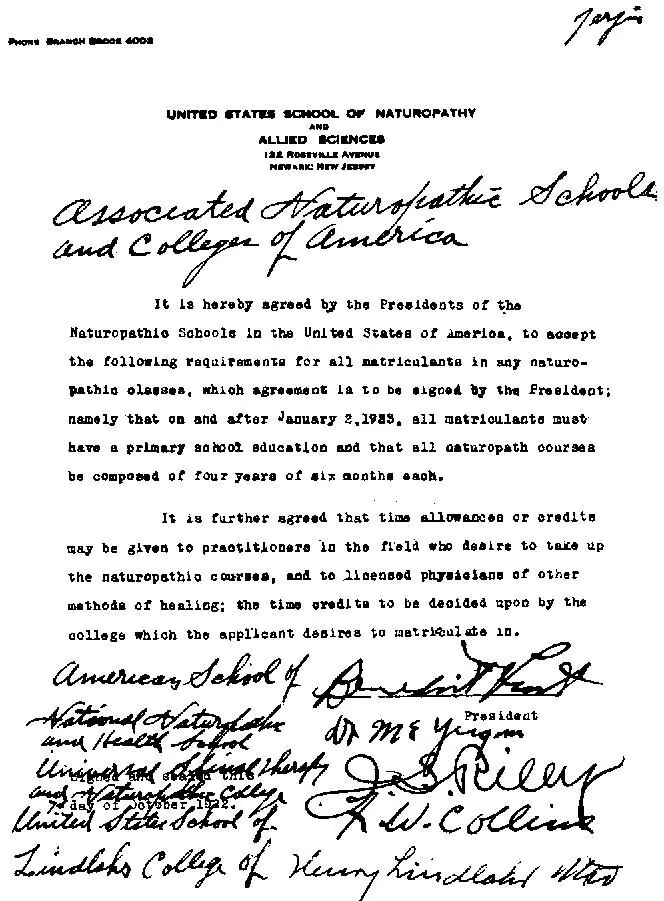
First National University’s recognition guide explains why a historic institution, academic award, association membership, and legal authority each prove different things. That distinction is not a technicality. It is what keeps a major education decision tied to the real role you want to pursue.
6. Price the whole commitment
Tuition is only part of the cost. Ask for a written estimate that includes application fees, registration, books, technology, examinations, travel, workshops, practical requirements, and the payment schedule. If the program has a residential or clinical component, ask about travel, accommodation, insurance, equipment, and whether any placement cost is included.
Read the withdrawal, refund, and pause-of-study terms before paying a deposit. Ask whether fees can change, when payments are due, and what happens if a requirement cannot be completed on schedule. These questions are not pessimistic. They are part of understanding the agreement you are being asked to make.
Then make a time budget. Include live teaching, independent study, assessments, travel, and any practical work. A program can be worthwhile and still be the wrong fit for your life at a particular moment. Seeing the full commitment on paper makes the decision fairer.
Compare the same categories for every option. A lower headline tuition figure can look compelling until one program’s estimate includes books, examinations, and practical work while another lists them separately. A short written table makes it easier to see whether you are comparing like with like, and whether a payment plan changes the total commitment.
7. Treat historic records as context, not current proof
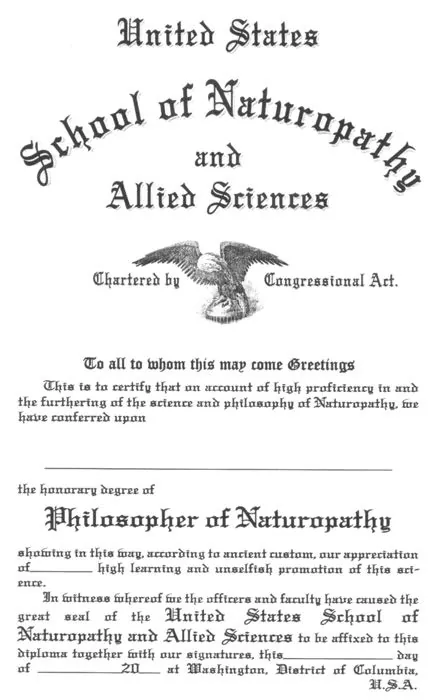
Historic school names and degree records can be valuable. They may help a former student, family member, or researcher understand the setting in which a credential was issued. They do not, by themselves, show that a program is open today, that a curriculum is current, or that a person has present-day professional authority.
The university preserves records for institutions connected to early natural medicine education. The United States School of Naturopathy & Allied Sciences record, the United States Naturopathic Institute record, and the document collection can help place a school name or degree in historical context.
For a current education decision, pair that historical context with today’s program documents, the accreditor’s own information, and the relevant local regulator. Each source has a different job, and none should be asked to prove more than it can.
8. Build a short verification file before you apply
Create one folder or document for each program. Use the same headings every time: exact award, issuing institution, entry requirements, curriculum, delivery plan, practical work, full cost, recognition claims, local rules, and unanswered questions. Save dated copies of the course outline, fee schedule, enrollment terms, and emails.
Label what each item proves. The school’s materials explain its offer. An accrediting body explains its own scope. An association explains its membership or credential. A regulator explains the rule in a location. Keeping those statements separate makes missing information visible before you make a commitment.
If an answer is vague, ask for the document or organization behind the claim. A responsible provider should be able to distinguish what its program teaches from what a graduate may legally do. If it cannot, pause the comparison until you have an answer in writing.
It also helps to write your intended goal in one sentence before you start. Someone researching a historical degree, changing careers, seeking advanced academic study, or planning to work in a regulated role needs different evidence. Naming the goal gives every question a purpose and makes it easier to recognize when a program is answering a different question from the one you need resolved.
How First National University can help
First National University of Naturopathy and Allied Sciences can help researchers and former students understand records connected to its historical constituent schools. If you need context for a particular school name, degree, or document, the contact page is the right place to request information. Include the specific record and the question you are trying to resolve.
For people considering current study, the university’s admissions guide offers a useful starting list of written facts to gather: the exact program, delivery format, total cost, and current recognition or professional implications. The goal is not to make a quick decision. It is to make a decision you can explain and verify.
Choose the path you can verify
An online Doctor of Natural Medicine degree may be meaningful study, but its value depends on the exact program and the purpose you bring to it. Start with the title, read the current curriculum, understand how learning is delivered, check every recognition claim at the source, and verify the local rules that govern your intended role.
Those checks do not create unnecessary doubt. They replace broad promises with the information you need to compare programs honestly. When the important facts are clear in writing, you can decide whether a program deserves your time, money, and attention.


