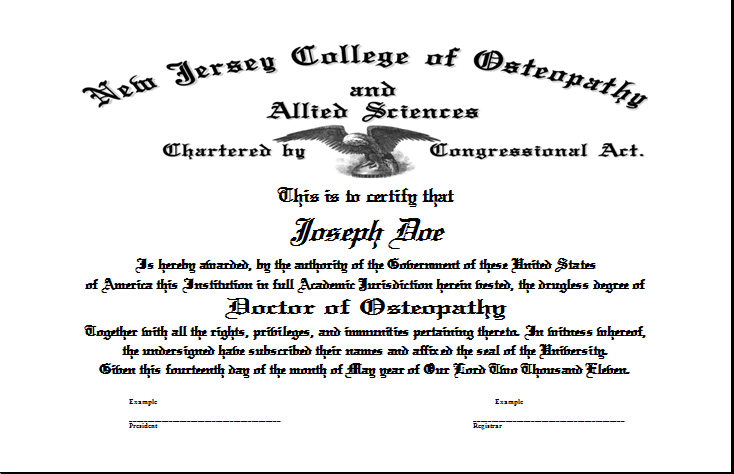
A naturopathy certificate can be useful evidence of study. It is not, by itself, a complete answer about accreditation, professional standing, or what a person may legally do where they live.
“Naturopathy certification” is a phrase that can sound much more precise than it is. A person may be looking for a short course certificate, a longer academic qualification, a professional credential, a way to verify a practitioner, or a path toward a regulated role. Search results often place those different ideas side by side. Before you make a decision, separate them.
The useful question is not simply, “Is this certified?” It is: certified by whom, for what exact purpose, and what does that status mean where I intend to use it? A clear answer should identify the credential, the organization behind it, the scope of what it covers, and the limits that still apply.
The National Center for Complementary and Integrative Health describes naturopathy as a system using a range of traditional and modern methods. That broad context helps explain why a single certificate label cannot settle every question about education, health claims, or professional practice. The exact program and the rules in the relevant location still matter.
Start by naming the document
Ask for the complete name of the credential exactly as it appears on the certificate, transcript, enrollment agreement, and current course materials. “Certificate,” “certification,” “diploma,” “degree,” “registration,” and “board certification” can be used to describe very different things. A familiar word does not make two credentials equivalent.
A course certificate usually records that a learner completed a provider’s stated program. That can be meaningful, especially when the course materials, assessment, and issuing institution are clear. It does not automatically mean that another school accepts the work for credit, that a professional body endorses the holder, or that a regulator permits the holder to use a title or offer a service.
Write down the exact title before comparing anything else. Then ask the provider to explain, in ordinary language, what the course is designed to teach and what its certificate is intended to represent. A useful response names the level of study, the current curriculum, how work is assessed, and whether the course has any practical or supervised requirements.
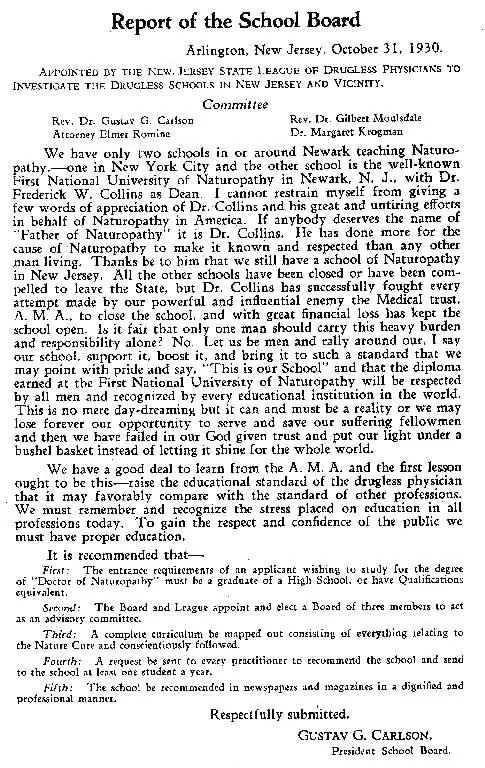
When you are researching an older record, the university’s constituent-school pages, institutional history, and public documents can help explain the setting in which a historic name or degree appeared. They are historical context, not a substitute for current information about a course available now.
Separate four different kinds of claims
Most confusion disappears when you put claims into the right category. The terms can overlap in everyday conversation, but they answer different questions.
- Course completion: Did a person complete this provider’s stated course and meet its assessment requirements?
- Program or institutional accreditation: Does a named accrediting body say that a particular program or school meets its standards and falls within its scope?
- Private professional credential: Does an association or board recognize a person under its own membership or certification rules?
- Legal authority: What do the laws and regulators in the relevant place allow a person to call themselves or do in practice?
None of these should be treated as a shortcut for the others. A person can complete a course without being licensed. A school can hold a form of accreditation that does not cover every program it advertises. An association can offer membership without acting as a government regulator. A long history can be real without establishing a current professional pathway.
For example, the Council on Naturopathic Medical Education lists programs within its accreditation scope. That list can be useful when it applies to the exact program a prospective student is considering. It does not automatically answer questions about every form of naturopathy education, every certificate, or the rules in every country, state, or province.
Read accreditation claims closely
Accreditation is often presented as a single yes-or-no answer. In practice, it is more specific. Ask which organization grants the status, what standard it uses, whether the status belongs to the institution or the particular program, and when it was last confirmed. Then read the organization’s own description instead of relying only on a school’s marketing language.
The name of the accreditor matters because every organization has a defined remit. Some work with an educational level, geographic area, or type of program. Some evaluate institutions, while others focus on a particular course of study. The statement is useful only when it covers the exact credential you are considering.
Keep a copy of the current program title and course outline beside the accreditor’s information. If the names do not match, ask why. If a provider uses a broad phrase such as “internationally recognized” without naming the organization, the standard, or the program covered, treat that as an unanswered question rather than a reason to rush.
It is also reasonable to ask what happens if a program changes. Curriculum, delivery format, practical arrangements, and recognition claims can shift over time. A current written reply is more useful than an old brochure, a screenshot with no date, or a statement that cannot be traced back to the organization responsible for it.
Check whether a private credential is actually relevant
Professional associations and private boards may offer membership, registers, continuing education, or their own certification processes. Those arrangements can have real value within the organization’s community. They should still be described accurately. A private credential does not automatically carry the same force as government licensure, and it may not be recognized outside the organization that issues it.
Ask the organization what a holder had to do to earn the credential. Was there a qualifying education requirement, examination, supervised experience, ethical agreement, renewal period, or continuing education requirement? Can the public verify that a person is currently in good standing? Is there a complaint process or a clear explanation of the credential’s limits?
Then bring the question back to your own aim. A private certificate may be useful if you want structured study or a community of practice. It may be insufficient if your goal depends on a regulated title, a role in a healthcare setting, insurance reimbursement, or a move to another jurisdiction. The next step should be based on the role you want, not on the reassuring sound of a label.
Verify the local rules before you plan a career
Education and professional regulation are not governed by one universal system. A credential’s practical meaning can change by country, state, province, and profession. The questions become especially important when your plans involve diagnosing, treating serious conditions, prescribing, using a protected title, or presenting yourself as a healthcare professional.
Start with the exact qualification and course description. Take those documents to the authority that governs the profession or title where you intend to live and work. Ask what education, examinations, registration, supervision, or other conditions apply. Ask whether a particular title is protected and whether the authority recognizes the exact credential in question.
The university’s recognition guide explains why institutional history, an academic credential, professional membership, and legal permission to practice are related but separate facts. Keeping them separate protects you from relying on one favorable statement as an answer to everything else.
Do not treat this as a minor final check. It belongs near the beginning of your research. A course can be interesting and well taught while still being a poor fit for the professional role you hope to pursue. Finding that out before enrollment is far less costly than finding it out after completing the work.
Ask for the current learning and assessment details
A certificate is only as informative as the study behind it. Request the current curriculum or module list, expected workload, teaching format, assessment methods, and requirements for completion. If the program mentions clinical, practical, laboratory, or supervised learning, ask where it happens, who oversees it, how it is assessed, and whether it is included in the stated fee.
Distance study deserves the same precision. “Online” may mean self-paced reading, scheduled live teaching, proctored assessments, workshops, travel, placements, or a mix of all of them. Ask for a typical week, every requirement that cannot be completed remotely, and what support is available when a student needs help.
Health-related education should also be clear about evidence, safety, referral, and limits of practice. The National Center for Complementary and Integrative Health provides consumer information about herbs and supplements, including the potential for interactions with medicines. A responsible course does not blur education with a promise that a graduate can safely address every health concern.
The university’s admissions information notes that distance-learning protocols may be used in appropriate programs. For any individual course, ask for the current delivery plan in writing rather than assuming that one program’s arrangement applies to another.
Build a simple verification file
Good research does not require a complicated system. Make one folder or document for each option and use the same headings every time: exact credential, issuing institution, curriculum, assessment, practical requirements, total cost, accreditation claim, private credential claim, local rules, and the person who answered your questions.
Save dated copies of the course outline, fee schedule, enrollment terms, emails, and links to the accreditor or regulator’s information. Write down what each source actually verifies. A school’s website may verify what the school says it offers. An accreditor may verify the scope of its recognition. A regulator may verify the rules that apply to a title or profession. Keeping those sources separate makes gaps much easier to see.
Use the same approach when a family member, employer, or adviser asks about the qualification. Instead of relying on memory from a sales conversation, you can show the original materials and identify the question that still needs an answer. That makes the eventual decision clearer and easier to defend.
How First National University can help
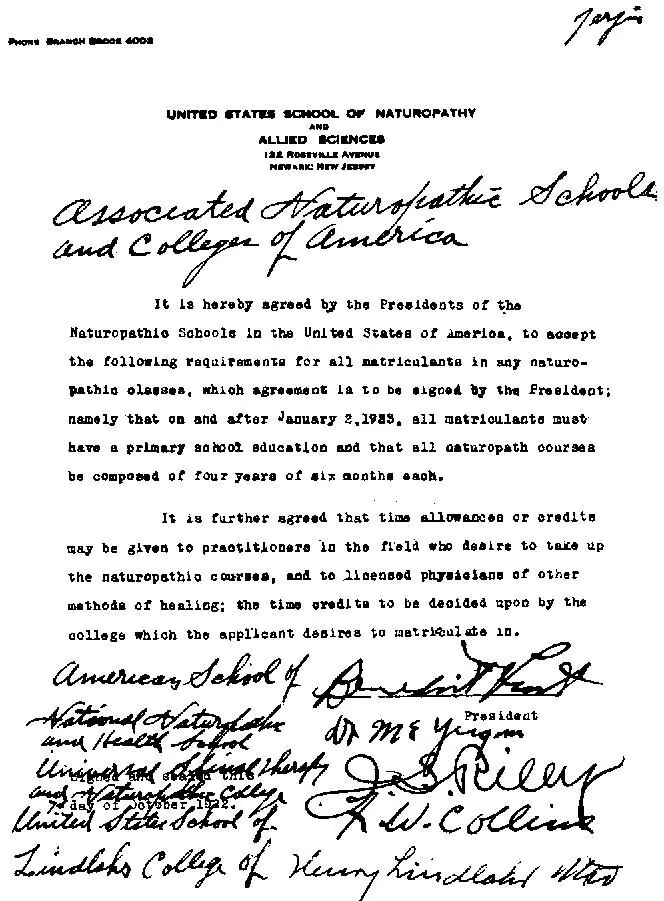
First National University of Naturopathy and Allied Sciences preserves records connected to early natural medicine education. The United States School of Naturopathy & Allied Sciences record, the United States Naturopathic Institute record, and the university’s document collection can help researchers, former students, and families understand the historical context of a school name, degree, or institutional relationship.
For current university information, use the contact page to request a written response about the specific program or record you are considering. Include the course or constituent school, your intended location, and the questions you need resolved. Written information gives you a firmer basis for a considered decision.
Make the certificate work for you, not the other way around
A certificate can be a useful record of learning. The sensible step is to understand exactly what it records and what it does not prove. Start with the document, identify every organization named in the claim, read the current information from each one, and check the rules in the place where your plans will unfold.
That approach does not dismiss a credential. It puts it in context. Once you know the exact program, the study completed, the recognition that truly applies, and the local rules that still govern your goal, you can decide whether the course is a sound investment of time, money, and attention.


