
A course title can open the conversation, but it cannot answer the questions that make a study decision sound. Ask for the current written details, then compare the same facts across every option.
A naturopathy course can mean very different things to different people. One person may be looking for an introductory course in natural health. Another may be researching a longer professional program, while a third is trying to understand a degree named on a historic document. Those are not the same search, and they should not be answered with the same assumptions.
The sensible first move is to get specific. Rather than asking whether a course is “good” in the abstract, ask what it is called, what is taught, how it is delivered, what it costs in full, and what it is designed to prepare a student to do. That approach is useful whether you are exploring a new field, changing careers, or reviewing a school connected to a family or institutional record.
The National Center for Complementary and Integrative Health describes naturopathy as a system that uses a range of traditional and modern methods. That broad definition is helpful context, but it also explains why a general label is not enough. The actual education, professional scope, and legal meaning of a course depend on the program and the place where its graduate hopes to use it.
Begin with the exact course, not the broad label
Start by requesting the complete name of the course and credential exactly as it appears on the award, transcript, and enrollment documents. “Naturopathy,” “natural medicine,” and “N.D.” can be used in different ways. A familiar abbreviation can make two unrelated programs look similar when the curriculum, assessment, or intended outcome is entirely different.
Then ask what the provider means by the course. Is it an introductory survey, a wellness education program, an academic degree, a professional training course, or a historical study option? A clear provider should be able to describe the course in ordinary language without relying on broad phrases such as “recognized,” “approved,” or “international” as a shortcut for the details.
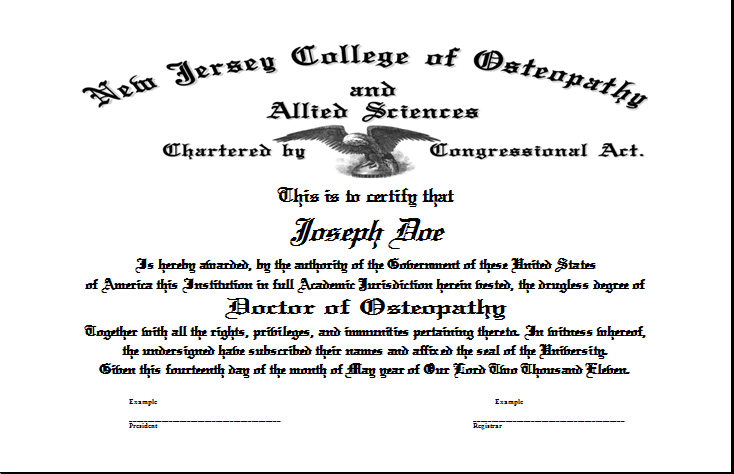
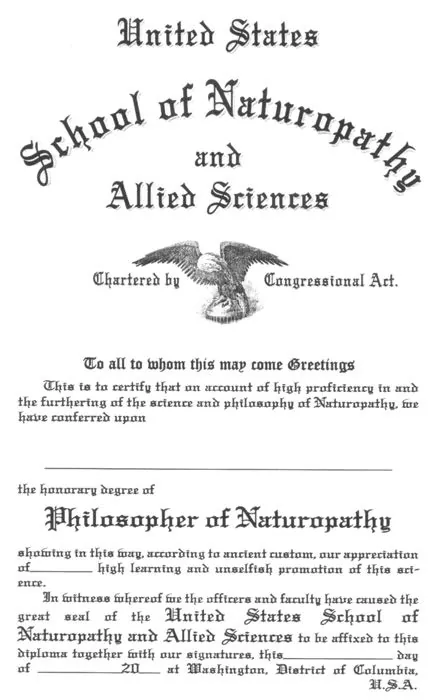
If you are reviewing a course linked to a historic institution, separate the history from the present offer. First National University’s institutional history and constituent-school records can help explain the setting in which historic names and degrees appeared. They do not replace a current prospectus, fee schedule, course agreement, or written explanation of the program available to you now.
Read the curriculum before you compare the promise
A course description is an invitation. A curriculum is the evidence behind it. Ask for the current module list or handbook and look at what students actually study, how work is assessed, the expected workload, and the standard needed to complete the program. The answer should be detailed enough for you to understand what happens after enrollment, not merely what the course hopes to inspire.
For a longer program, check whether subjects are sequenced in a logical way and whether the course explains how knowledge is tested. If applied learning is mentioned, ask what students do, where they do it, who supervises it, and whether the experience is included, optional, or competitive. It is reasonable to ask for the current version of these documents in writing.
Also look for the limits of the course. A careful outline explains what a student will learn and what the program does not claim to provide. That is especially important where a course discusses health, diagnosis, treatment, or professional titles. Responsible education leaves room for evidence, safety, referral, and the rules that apply in the relevant location.
When comparing two courses, put their modules side by side. Note the time each topic receives, the way it is assessed, and any practical expectations. This simple comparison often reveals the difference between a short survey of a subject and a course intended to build sustained academic or professional knowledge.
Understand how the course is delivered
“Online,” “distance learning,” and “flexible study” describe a broad range of arrangements. They do not tell you how much time is self-directed, when you are expected to attend live sessions, what technology is needed, or whether any work must be completed in person. Before enrolling, ask for a plain explanation of the weekly rhythm and every requirement that involves travel, fixed attendance, or access to a particular facility.
Distance learning can be a practical fit when its structure matches your circumstances. It can also become expensive or difficult if required attendance, assessments, travel, materials, or placements are only explained after the initial conversation. Ask what is included in the listed price and what you are expected to arrange independently.
First National University notes that distance-learning protocols may be used in appropriate programs. For any individual course, the relevant question is still the same: what does this specific program require from this specific student? Written answers make it much easier to determine whether the format works with your work, family, location, and budget.
Ask how practical learning is organized
When a course refers to clinical, practical, laboratory, placement, or supervised experience, do not treat those terms as interchangeable. Ask where the activity takes place, who supervises it, what preparation is required, and whether there are separate fees, insurance, travel, checks, or scheduling constraints. If the course is designed for students in more than one location, ask how it handles those differences.
A useful answer is concrete. It identifies the type of activity, the expected number of hours where relevant, the supervisor’s role, and the student's responsibilities. An answer that stays only at the level of aspiration may be a sign that the course is not yet clear about the experience it is offering.
This is also where health claims need particular care. The National Center for Complementary and Integrative Health advises readers to consider safety, including possible interactions between herbs or supplements and medicines, through its evidence-based information on herbs and supplements. A serious course should teach students to recognize limits, seek appropriate supervision, and refer a person for qualified medical care when a situation calls for it.
Check recognition and professional implications where you plan to live
A course’s relationship to professional practice is not answered by its title alone. Rules about credentials, protected titles, diagnosis, prescribing, and patient care can vary between countries, states, provinces, and professions. Before you invest, identify the location where you hope to use the qualification and check the rules that apply there.
Ask the course provider to name the organization behind any statement about accreditation, recognition, registration, or career outcomes. Then read that organization’s information yourself. For example, the Council on Naturopathic Medical Education lists the programs within its accreditation scope. A listing from any accreditor is meaningful only when it applies to the exact program, credential, and location you are considering.
Recognition can be a layered question. An institution may have a history, a program may meet the standards of a particular body, an association may offer membership, and a regulator may control who can perform a particular role. These facts can all be true at the same time without meaning the same thing. The university’s recognition guide sets out the questions worth resolving before you commit.
Do not rely on an informal assurance that a qualification “works everywhere.” Instead, keep the exact course description and credential name, then take those documents to the appropriate regulator or professional body in the place that matters to you. A clear answer from the right authority is more useful than a broad claim made in a sales conversation.
Calculate the full cost, not just the headline tuition
Educational decisions are easier to compare when every cost is visible. Request the full tuition, payment schedule, registration fees, books or materials, travel, assessments, practical requirements, and any fees that may arise later in the program. Ask whether prices are fixed for the course length and what happens if study takes longer than expected.
Make one comparison sheet for every course you are considering. Use the same rows for course length, teaching hours, expected weekly work, in-person requirements, practical arrangements, total cost, and available support. This prevents a low initial figure from carrying too much weight when another course includes more of the necessary costs up front.
It is also sensible to ask how a student can withdraw, defer, repeat an assessment, or request help if circumstances change. These are not pessimistic questions. They are part of understanding the commitment you are making and whether a provider has explained it fairly.
Look for clarity in the enrollment conversation
The way a school answers your questions is part of the evidence you are gathering. A thoughtful response identifies the course, names a contact person, provides current documents, and leaves you time to read them. It does not pressure you to decide before you understand the curriculum, practical arrangements, total cost, and implications in your own location.
Keep copies of every important answer. Save the course outline, fees, dates, statements about recognition, and the name of the person who gave each response. When information is documented, gaps are easier to identify and follow-up questions are more precise. It also gives you a fair way to compare courses over several days rather than depending on memory.
Use the university’s naturopathic degree programs guide alongside its admissions checklist to organize those questions. The university can provide context on its own historical record, but current enrollment decisions still require current written details for the exact program you are considering.
A short checklist before you enroll
Before you pay a deposit or sign an agreement, make sure you can answer these questions clearly. If an answer is uncertain, ask again and request it in writing.
- What is the exact course and credential? Record the full title, not only an abbreviation or broad subject area.
- What will I study and how will I be assessed? Review the current curriculum, workload, and completion requirements.
- How is the course delivered? Confirm remote learning, attendance, travel, equipment, and scheduling expectations.
- What practical learning is included? Clarify supervision, location, availability, expenses, and student responsibilities.
- What will it cost in full? Include fees, materials, travel, assessments, and payment timing.
- What does the credential mean where I plan to live and work? Verify this independently with the relevant body for that location.
- Who can answer future questions? Keep a named point of contact and copies of the information you receive.
How First National University can help
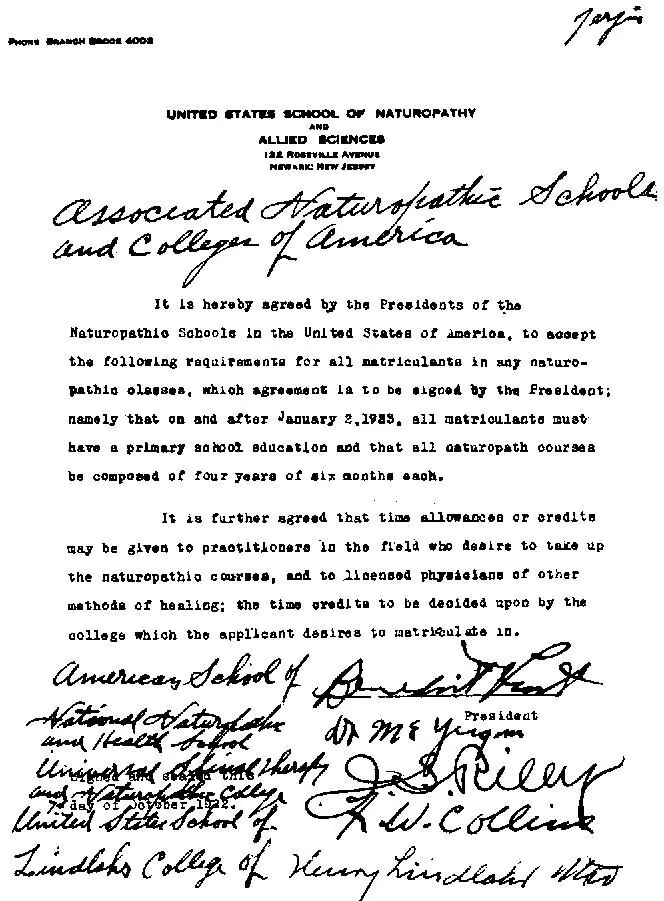
First National University of Naturopathy and Allied Sciences preserves records connected to early natural medicine education. Its United States School of Naturopathy & Allied Sciences record, United States Naturopathic Institute record, and public documents can be useful when you are researching the historical setting of a school name, degree, or institutional relationship.
For current study options, use the university’s contact page to request the details that apply to the program you are considering. Include the course or constituent school, the location relevant to your plans, and the specific questions you need answered. A written response gives you a firmer basis for a considered decision.
Make the decision from the current facts
A good course choice is rarely made from one headline, one title, or one conversation. It comes from comparing the present-day documents that show what you will study, how you will learn, what you will pay, and what the qualification means for your own goal. Take the time to read those details together.
That does not make the decision more complicated. It makes it more honest. Once you have the current facts in one place, you can see whether a course fits the work you want to do, the time you can commit, the resources you have, and the questions you need resolved before you enroll.