Prospective students

Naturopathic Medical School

Compare the exact program, not a broad label, before you apply to a naturopathic medical school.

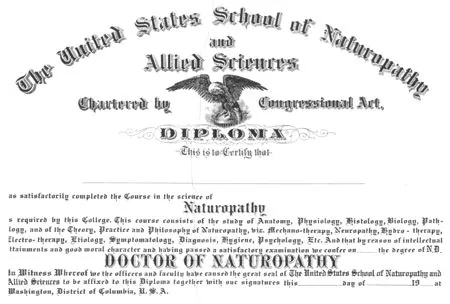
Historic Doctor of Naturopathy degree from the university archive

Begin with the program

A serious decision needs current, specific answers.

Choosing a naturopathic medical school is more than choosing a subject that interests you. You are deciding where to invest years of study, how your schedule and budget will work, and whether the credential fits the role you hope to pursue. The useful facts are tied to a particular degree, campus, and intake, not to a broad description on a school website.

For doctoral naturopathic medicine programs in the United States and Canada, start with the Council on Naturopathic Medical Education’s current program list. The Council describes its accredited N.D. programs as four-year and primarily campus-based. That gives you a sound starting point, but it does not replace the school’s current written details about the program you would actually attend.

Your comparison framework

Six checks before you apply

01

Confirm the exact program and campus

Find the full degree name, teaching location, and current enrollment status. A university may have more than one campus or health program. Make sure every answer you receive refers to the exact option you are considering, rather than to the institution in general.

02

Read the current accreditation listing

Look for the exact program on the accreditor’s current public list. Read any status information attached to it and ask the school to explain anything you do not understand. Keep a copy of the listing dated when you checked it, because program status and notices can change.

03

Map the real study pattern

Ask how learning is divided among scheduled classes, independent work, laboratories, clinical activity, and any online elements. Request the calendar, not just a course summary. It reveals when you must be present, how long practical learning lasts, and whether travel or time away from work is likely.

04

Check entry requirements early

Request the current admissions checklist for your intended intake. The Association of Accredited Naturopathic Medical Colleges notes that its member programs have prerequisite coursework, while exact requirements vary by school. Ask how your prior study will be assessed before spending money on additional courses.

05

Calculate the full commitment

Ask for tuition, fees, books, equipment, examinations, insurance, travel, clinical requirements, and the timing of each payment. Pair that with the expected length of study and realistic living costs. A headline tuition figure cannot tell you whether the complete plan works for your circumstances.

06

Verify the path after graduation

Ask what the program is designed to prepare students for, then independently check what applies where you intend to live and work. Registration, licensing examinations, practice rules, employment expectations, and insurance are not decided by a school alone.

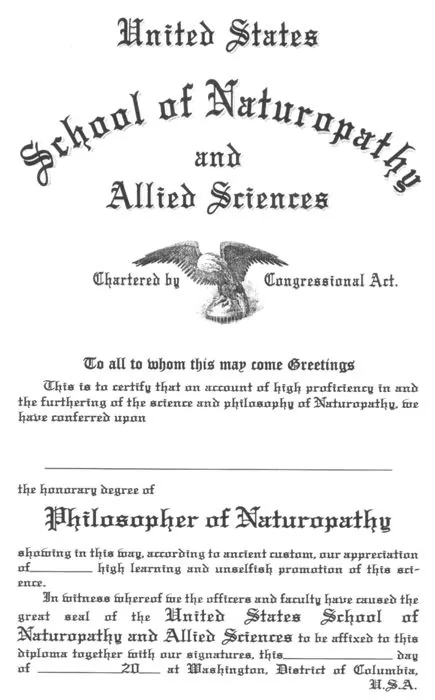
Historic Philosopher of Naturopathy degree from the university archive

The university archive

Use historical records for context, not as a current prospectus.

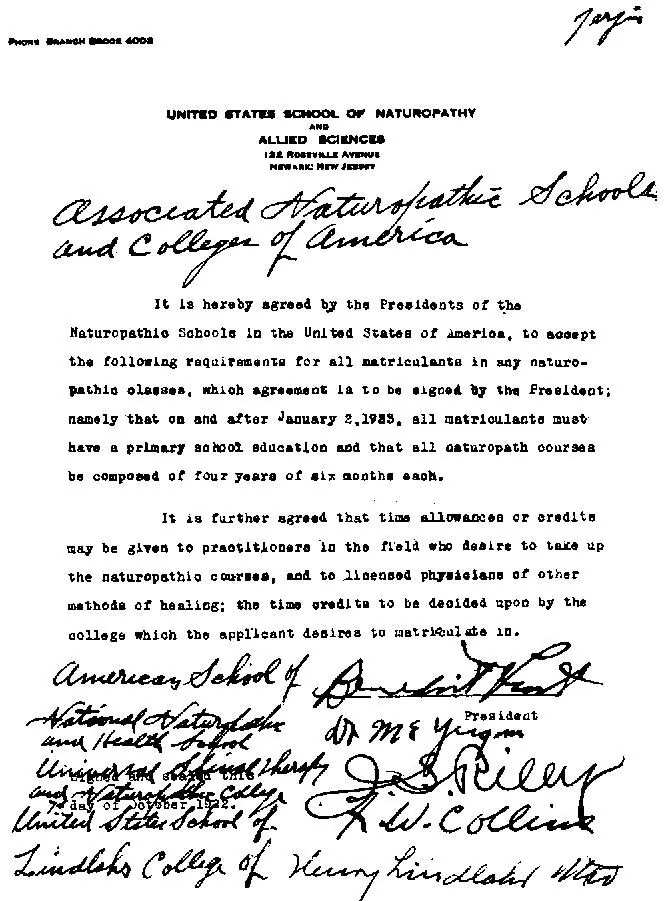
First National University of Naturopathy and Allied Sciences preserves material connected to the history of naturopathic education. The United States School of Naturopathy & Allied Sciences record and the United States Naturopathic Institute record can help explain an older school name, degree title, or document.

Those records cannot establish today’s admissions requirements, tuition, teaching format, accreditation, or professional eligibility. Keep the historical question and the current enrollment decision separate. For a school you may attend, request current documents from the school and compare them with independent information.

Explore constituent-school records →

Make answers comparable

Ask each school the same practical questions.

General inquiries often lead to general answers. A better approach is to name the degree and campus, explain the location where you plan to live or work, and request the documents that apply to your situation. That gives you comparable evidence before you commit.

Curriculum and assessment

Ask for the current course sequence, learning outcomes, assessments, and standards required to remain in and complete the program.

Clinical experience

Ask where clinical learning occurs, when it begins, who supervises it, and whether additional eligibility, travel, or costs apply.

Attendance requirements

Request a written breakdown of on-campus, online, laboratory, clinic, and scheduled commitments for the current program.

Student support

Find out what academic, accessibility, financial, and wellbeing support is available, and who can answer follow-up questions.

Financial documents

Request the full fee schedule, refund terms, payment timing, and a clear list of costs that sit outside tuition.

Professional requirements

Identify the regulator or authority for your intended location and ask for its current education, examination, and registration requirements.

Online, campus, and clinical learning

Ask what the word “online” leaves out.

Online coursework can be part of a program without describing the whole student experience. The Council on Naturopathic Medical Education says its accredited N.D. programs are primarily campus-based and do not include programs delivered entirely or primarily through online or distance instruction. Ask the school to show you how its current program divides time across teaching formats.

Clarify the location and timing of every laboratory or clinical requirement, whether any placement must be arranged by you, and what happens if travel or attendance becomes difficult. The university’s online naturopathic schools guide and online naturopathic degree guide offer additional questions for comparing flexibility without assuming that flexible means fully remote.

Historic university letter from the archive

Independent verification

Use the source that can answer the question.

A school can tell you about its program. An accreditor can state the status of a program within its scope. A regulator or licensing authority can explain rules that apply where you intend to work. Each source has a different job, so a strong decision checks all three rather than treating one reassuring answer as the full picture.

Review the Council on Naturopathic Medical Education’s education guidance and its current program list when that accreditation framework applies to your plans. Use the university’s recognition guide and admissions guide to keep your questions, documents, and local checks organised.

Do not rely on a past school name, an older graduate’s experience, or a general statement about a profession when deciding where to enroll. The right answer is the current written answer that applies to your program, your location, and your intended next step.

Frequently asked questions

Naturopathic medical school questions

What is a naturopathic medical school?

The term can be used broadly, so begin with the exact degree and program you are considering. In the United States and Canada, the Council on Naturopathic Medical Education accredits four-year, primarily campus-based doctoral naturopathic medicine programs. A school name or health-related course title does not establish that a specific program has that status.

Can I complete an accredited N.D. program fully online?

The Council on Naturopathic Medical Education says it does not accredit naturopathic doctor programs delivered entirely or primarily online. Programs may include some online or hybrid coursework, but you should ask the exact school for its current attendance, laboratory, and clinical requirements in writing.

What should I ask before applying?

Ask for the current program listing, complete degree title, entry requirements, curriculum, calendar, attendance and clinical expectations, full cost, and a written explanation of the professional path the program is designed to support. Then check the current requirements of the authority where you expect to live and work.

Does an accredited program guarantee I can practise anywhere?

No. Education, examinations, registration, licensure, insurance, and scope of practice are separate questions that vary by jurisdiction. Check current rules with the relevant regulator or licensing authority before making an enrollment commitment.

Request current information

Get the details for the program you are considering.

Include the degree, campus, intended location, and the facts you need to compare your options with confidence.

Request Information