
Online study can make a program easier to access, but it does not make the underlying questions less important. Compare the exact course, its real requirements, and what the credential means for your own plans.
Searching for a naturopathy degree online often brings together very different options. Some visitors are looking for a flexible way to explore natural health. Others are comparing longer academic programs, while some are trying to understand an N.D. or other credential named in an institutional record. The same search can lead to introductory courses, professional education, historic information, and programs with different expectations for attendance or practical work.
That is why the first decision is not simply whether a course is online. It is whether the specific program gives you clear, current answers about the award, curriculum, schedule, practical requirements, total cost, and professional implications. The National Center for Complementary and Integrative Health describes naturopathy as a system using a range of traditional and modern methods. A broad term can be useful context, but it cannot tell you what a particular course teaches or qualifies a graduate to do.
Use this guide as a framework for asking better questions. It is designed to help prospective students separate a convenient delivery format from the evidence needed for a sound education decision.
Start by naming the exact program
Ask for the complete course name and credential exactly as they will appear on enrollment documents, the transcript, and the final award. A phrase such as “online naturopathy degree” may describe very different programs. The curriculum, academic level, assessment, and intended outcome matter more than a familiar abbreviation.
Then ask what the course is designed to provide. Is it an introductory study program, an academic degree, a wellness education course, a professional training route, or another form of learning? A provider should be able to answer in plain language, with current written materials. Broad labels such as “approved,” “recognized,” or “international” are not a substitute for the actual program details.
The university’s naturopathic degree programs guide gives a useful starting list of the details to request. If you are researching a school name or degree from the past, the constituent-school records and institutional history can explain that historical setting. They should be read alongside the information for the program available now.
Translate “online” into an actual week of study
Online can mean self-paced materials, scheduled video sessions, live seminars, recorded lectures, supervised assessments, or a mixture of several formats. Ask the provider to describe a typical week. Find out how much time is expected, which sessions are required, how quickly staff respond to questions, and what technology or materials you will need.
Also ask which requirements cannot be completed remotely. Travel, fixed attendance dates, examinations, workshops, and access to particular facilities can change both the practical fit and the real cost of a program. A course is only flexible when its required activities work with your work, family, location, and budget.
Assessment deserves the same attention. Ask whether you will complete essays, examinations, practical demonstrations, case discussions, presentations, or other work, and whether any part must be supervised live. Find out how deadlines are handled across time zones and what happens if illness, work, or an emergency affects a required session. These are ordinary questions, but the answers reveal whether the course structure is workable in real life.
It is also worth asking what academic and technical support is available. A clear program can explain how students reach instructors, obtain feedback, access library or learning materials, and get help when a platform or assignment creates a problem. A well-described support system is more useful than a broad promise of flexibility because it tells you how the program will work when you need help.
First National University states that distance-learning protocols may be used in appropriate programs. For every individual course, request the current delivery plan rather than assuming that one program’s arrangement applies to another. Keep the reply with the course outline, since written details are easier to compare than a general conversation.
Ask how practical learning is arranged
If a program refers to clinical, laboratory, placement, practical, or supervised experience, ask what each term means in that course. Where does the activity take place? Who supervises it? Is a placement provided, optional, or competitive? Are there separate insurance, travel, background-check, equipment, or assessment costs?
A clear answer should identify the student’s responsibilities as well as the provider’s. It should explain the preparation required before practical work, the standard used to assess it, and what happens if scheduling or location makes a required activity difficult. Specifics here matter because a course can look fully online at first glance while relying on substantial in-person commitments later.
Ask whether practical experience is built into the course timetable or arranged separately by the student. If you must find a local setting, confirm the eligibility requirements, the approval process, and the support available if an arrangement falls through. A placement that sounds possible is not the same as one that is planned, supervised, and available to you.
Supervision is another important detail. Find out who reviews practical work, what qualifications they hold, how feedback is given, and how concerns are handled. The point is not to make a course seem complicated. It is to understand whether the program has a clear, accountable structure for the work it says students will undertake.
Health-related education also needs careful boundaries. The National Center for Complementary and Integrative Health offers evidence-based information on herbs and supplements, including safety considerations and possible interactions with medicines. A serious course should make room for safety, appropriate supervision, referral, and the limits of a student’s or graduate’s role.
Check recognition where you intend to live and work
The professional meaning of a credential is not settled by its name or by whether the course is online. Rules about education, protected titles, diagnosis, prescribing, and practice can differ between countries, states, provinces, and professions. Identify the location that matters to you before you make an enrollment decision.
Ask the provider to name the organization behind every claim about accreditation, recognition, registration, or career outcomes. Then read that organization’s information directly and make sure it applies to the exact course and credential. For example, the Council on Naturopathic Medical Education lists programs within its accreditation scope. A listing can be useful, but it is meaningful only when it covers the specific program you are considering.
Be precise about the question you need answered. Academic recognition, membership in a professional association, and permission to use a protected title are different things. A provider may be able to explain its own program, but the authority responsible for your location is the better source for what a credential permits after graduation.
The university’s recognition guide explains why institutional history, academic recognition, professional association membership, and legal authority to practice are separate questions. Keep the course description and credential title together, then use them when you consult the relevant authority for the location where you expect to live and work.
Budget for the full commitment
Compare more than the headline tuition. Request a written total that includes registration fees, materials, technology, examinations, practical work, travel, insurance, placements, and the payment schedule. Ask whether the price is fixed for the stated program length and what happens if you defer, repeat an assessment, or need more time.
A simple comparison sheet is enough. Use the same rows for every program: exact credential, curriculum, weekly study expectation, live attendance, practical requirements, total cost, withdrawal terms, and recognition information. This prevents a convenient first impression from outweighing details that could matter far more after enrollment.
Do not treat a payment plan as proof that the total cost is manageable. Ask how many payments are required, whether there are financing charges, what happens after a missed payment, and whether any costs are optional only in name. Compare the amount you will pay over the complete course, not only the first installment. A program that answers plainly gives you a more reliable basis for planning.
Use the enrollment conversation as evidence
How a school answers is part of what you are evaluating. A thoughtful reply identifies the course, gives you time to read current documents, explains who can answer follow-up questions, and does not pressure you to decide before you understand the commitment. If a key answer remains vague, pause rather than filling in the gap with an assumption.
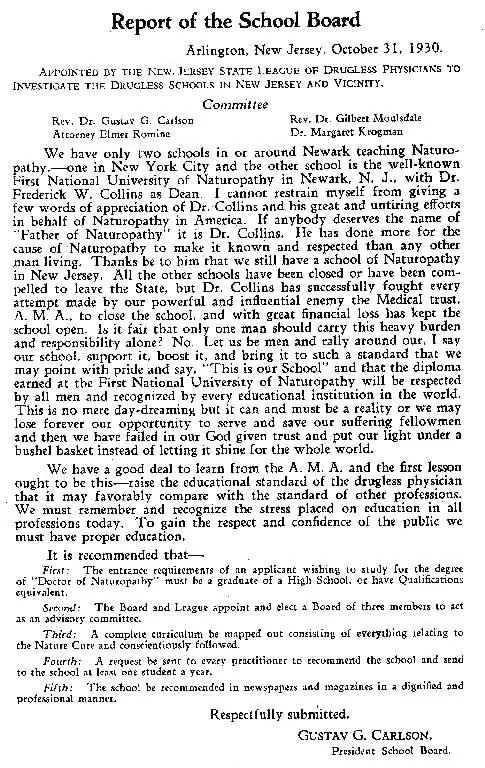
Save the documents and correspondence as you go. The university’s public documents and naturopathy course guide can help with historical context and broader course-comparison questions. When you have the facts in one place, it is much easier to see which points still need an answer.
A useful comparison often takes more than one conversation. Give each provider the same questions, request the answers in writing, and note when an answer applies only to a particular location, cohort, or course level. This helps separate a clear commitment from a general statement that may not apply to you. It also makes later follow-up more focused.
Before signing an enrollment agreement or paying a deposit, read the current version closely. Check the course title, start date, delivery format, fees, refund or withdrawal terms, and any policies for extensions or changes. If the document does not match what was explained to you, ask for clarification before committing. The right time to resolve uncertainty is while you still have a choice.
How First National University can help
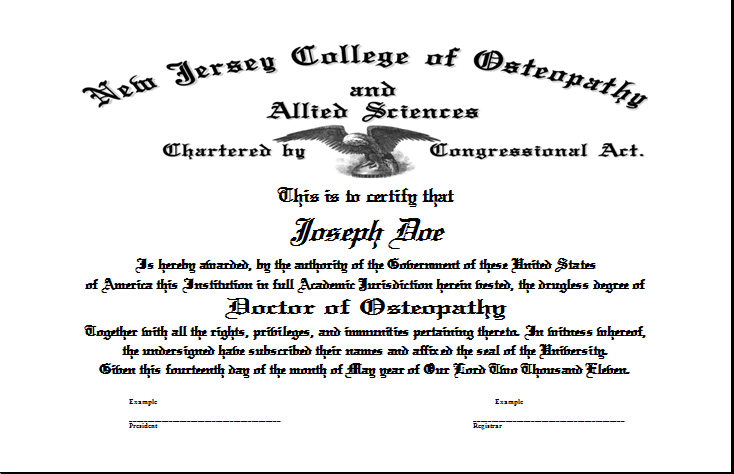
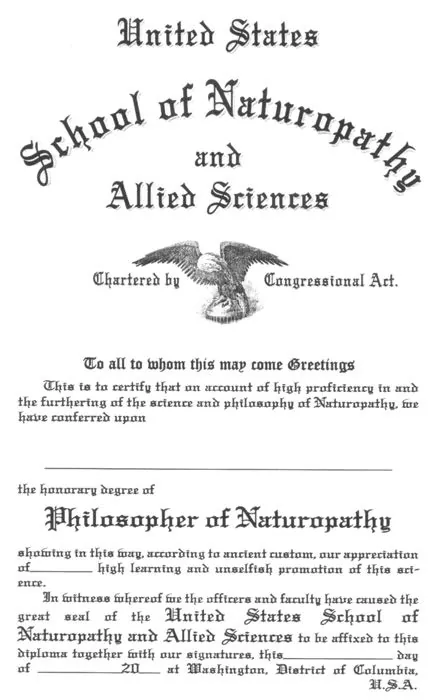
First National University of Naturopathy and Allied Sciences preserves records connected to early natural medicine education. Its United States School of Naturopathy & Allied Sciences record and United States Naturopathic Institute record can help researchers, former students, and families understand the setting in which historic school names and degree titles appeared.
For current study information, use the university’s contact page to ask about the exact program you are considering. Include the course or constituent school, where you intend to live or work, and the specific facts you need. A written response gives you a firmer basis for comparing the opportunity.
Make the choice from current facts
An online format can be a real advantage, but it should not be the only reason to choose a program. The right next step is to compare the current written facts: what you will study, how you will learn, what practical work is required, what it costs, and what the credential means where you plan to use it.
Give yourself enough time to read those facts before making a commitment. A course that fits your goals should still make sense after you have compared its requirements, costs, and stated outcomes against the other options you are considering.
Clear answers make the decision simpler, not harder. They let you judge a course on the commitments it actually requires, rather than on a broad label that may mean something different from what you expected.